How to Keep Your Child Engaged, Happy & Learning This Vacation
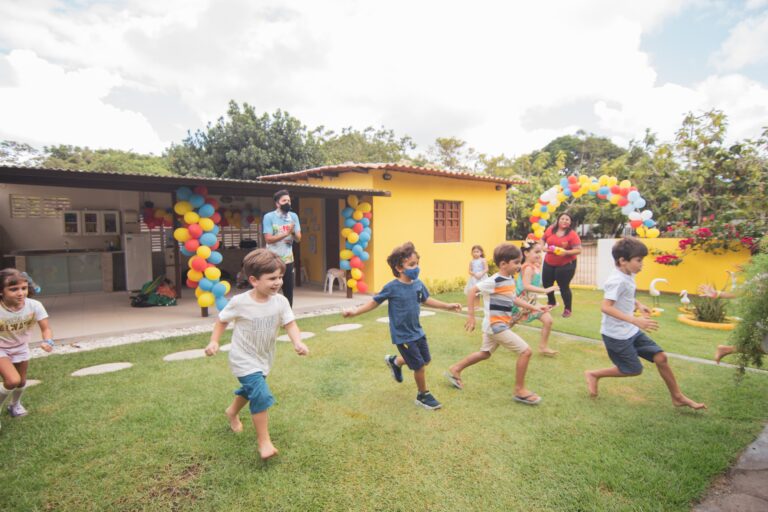
A Montessori Parent’s Guide to Summer & Winter Holidays
It starts on day one of the holidays. The excitement of no school lasts approximately forty-eight hours. Then comes the phrase that every parent dreads: ‘I’m bored.’
You’ve already tried the screen and feel guilty about the screen. It is turned off and now you’re both staring at each other wondering what on earth to do with the next six weeks.
Here’s the truth that Montessori education has always understood: children are never truly bored — they are under-stimulated. When a child has the right environment, the right materials, and the right amount of freedom, they don’t need to be entertained. They entertain themselves, joyfully and for hours.
This guide is for every parent who wants to make this vacation genuinely meaningful — not just busy. We’ve put together a complete Montessori-inspired vacation plan with activities, a daily rhythm, materials, and the mindset shifts that make it all work. Whether it’s summer or winter break, whether you have one child or four, these ideas will transform your holidays.
First — Change the Way You Think About Vacation
Most parents approach school holidays in one of two ways: structured (every hour planned with activities and clubs) or unstructured (free time to do whatever they like). Montessori suggests a third way — a gentle rhythm that provides enough structure to feel safe, enough freedom to feel joyful, and enough real-world engagement to feel meaningful.
The goal of a Montessori vacation is not to replicate school at home. It is not to keep children busy so you can get things done. It is to give children the time, space, and materials to discover what they are genuinely curious about — and to follow that curiosity wherever it leads.
💛 The Montessori Vacation Mindset: Your child doesn’t need more activities. They need better conditions for the activities they already want to do. Your job is not to fill their time — it is to prepare their environment.
The Secret Weapon: A Daily Rhythm (Not a Schedule)
Children thrive on predictability. Not a rigid timetable — but a gentle, consistent rhythm to the day that they can anticipate and trust. During vacation, the loss of school structure can feel disorienting for young children, even when they don’t show it. A simple daily rhythm fixes this without turning holidays into homework.
Here is a Montessori-inspired vacation rhythm you can adapt to your family:
Time | Rhythm Block |
Morning | Wake up, make bed, get dressed independently — Morning Practical Life (child helps with breakfast, sets the table) |
Mid Morning | Free Work Time — Montessori materials on the shelf, art supplies, puzzles, books. Child chooses freely. No interruptions. |
Late Morning | Outdoor Time — garden, park, nature walk, water play (summer) or puddle jumping, leaf collecting (winter) |
Afternoon | Quiet Time — reading aloud together, audiobooks, rest. Even children who don’t nap benefit from stillness. |
Late Afternoon | Creative or Sensorial Activity — cooking together, crafts, building, sensorial exploration with materials |
Evening | Family Practical Life — child helps with dinner, sets table, tidies their space. Wind-down routine. |
💡 Key Principle: The rhythm serves the child, not the parent’s convenience. Build it around your child’s natural energy peaks — most young children are sharpest and most engaged in the mid-morning
Summer Vacation Activities — Montessori Style
Summer is the most natural Montessori season. The outdoors becomes the classroom. Water, soil, plants, insects, weather, light — all of it is rich sensorial learning material. Here are activities that children aged 1–8 will love, organized by area of development:
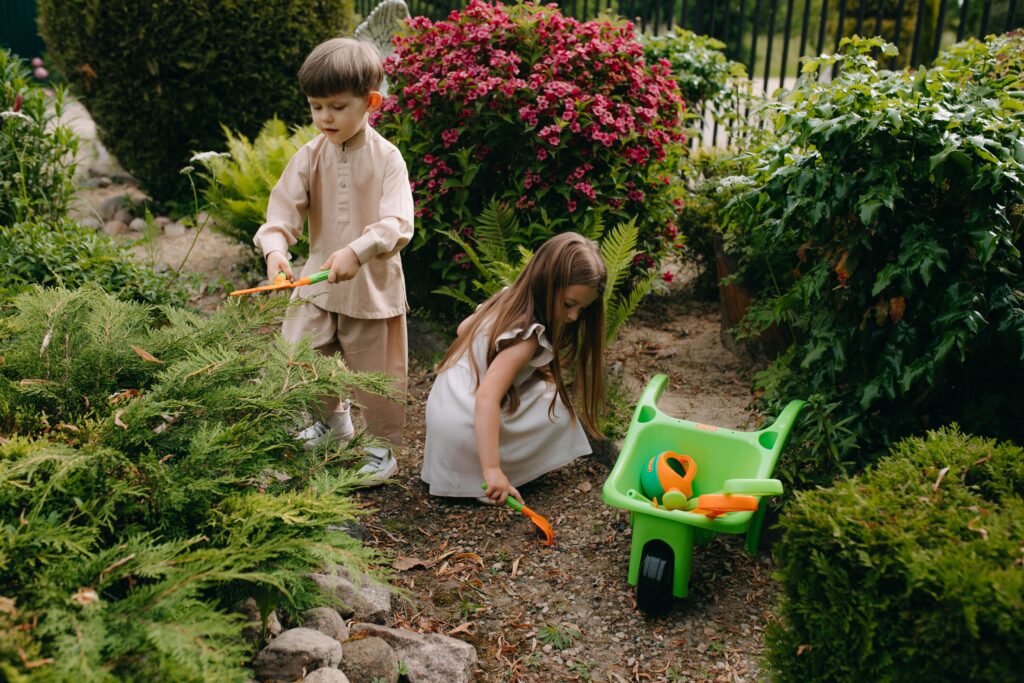
Practical Life — Real Work, Real Pride
🌱 Start a Mini Garden | Age: 2–8 years
Give your child their own small pot, some seeds, and a watering can. Their job is to water it every morning and observe what happens. Keep a simple growth journal with drawings. This single activity builds responsibility, patience, observation skills, scientific thinking, and a relationship with the natural world.
Skill built: Responsibility, patience, science, fine motor
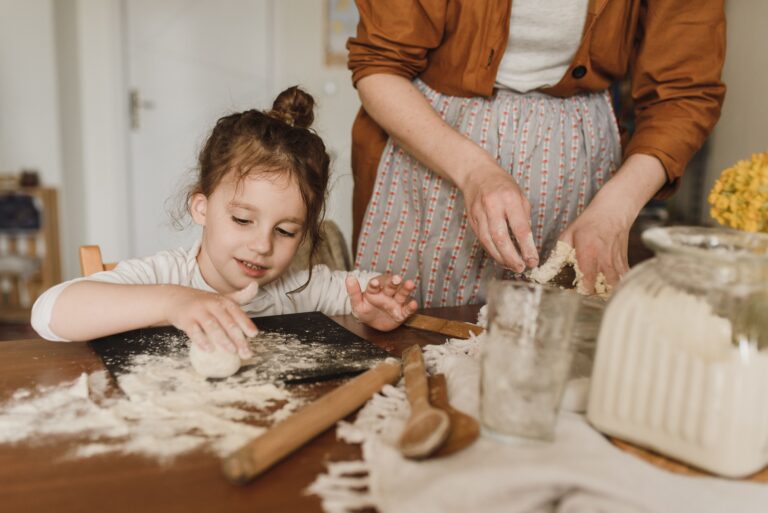
🍳 Cook One Meal a Week Together | Age: 3–8 years
Choose a simple recipe and let your child do as much as possible — washing vegetables, tearing salad, stirring, pouring, spreading. Real cooking with real tools. Not a play kitchen — the real one. The sense of pride when a child brings a dish to the table that they made is unlike anything a worksheet can produce.
Skill built: Maths (measuring), science, practical life, confidence
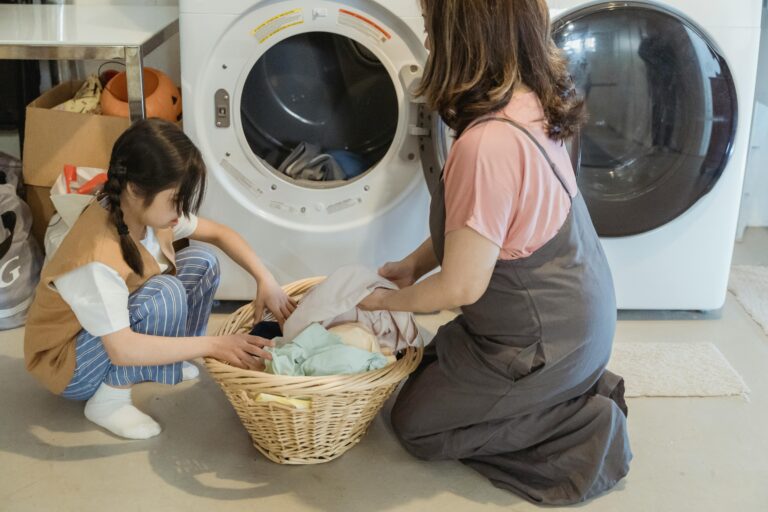
🧺 Laundry Day Helper | Age: 2–6 years
Sorting clothes by colour or owner, matching socks, folding simple items, hanging on a low rack — these are deeply satisfying Practical Life activities that children will happily do for thirty minutes straight. It is not a chore to them. It is purposeful work.
Skill built: Sorting, categorising, fine motor, independence
Sensorial — Exploring the World Through the Senses
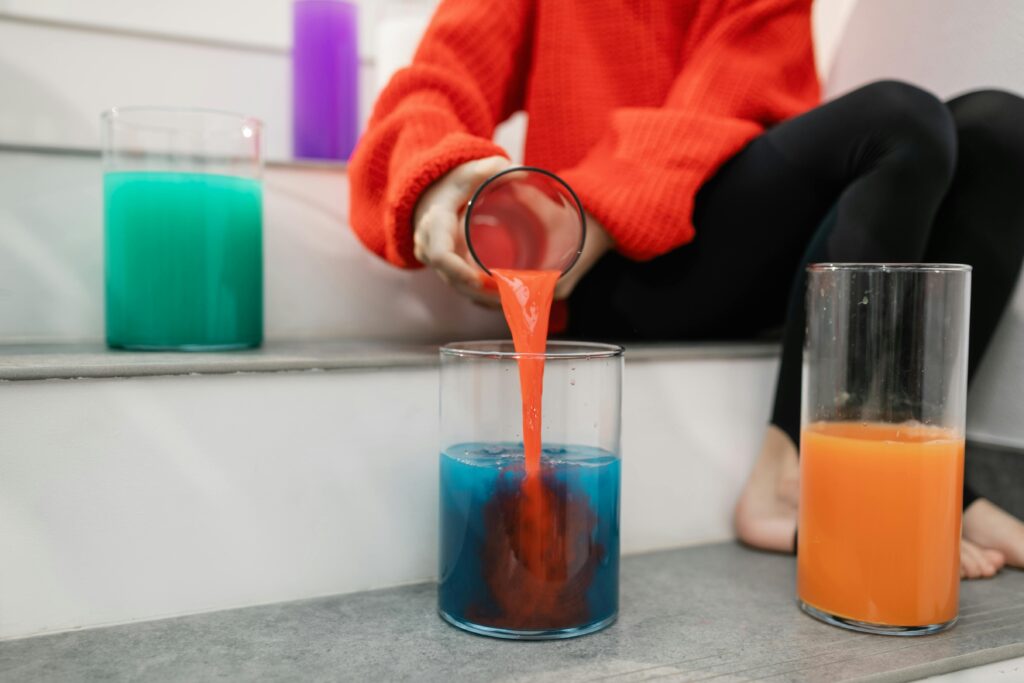
💦 Water Pouring Station | Age: 18 months–5 years
Set up a low table outside with jugs, cups, bowls, and funnels of different sizes. Let your child pour, transfer, and explore freely. Water play is among the most absorbing activities for young children — and it teaches volume, capacity, and control without a single lesson.
Skill built: Sensorial, fine motor, early maths concepts
🔍 Nature Sorting Tray | Age: 2–6 years
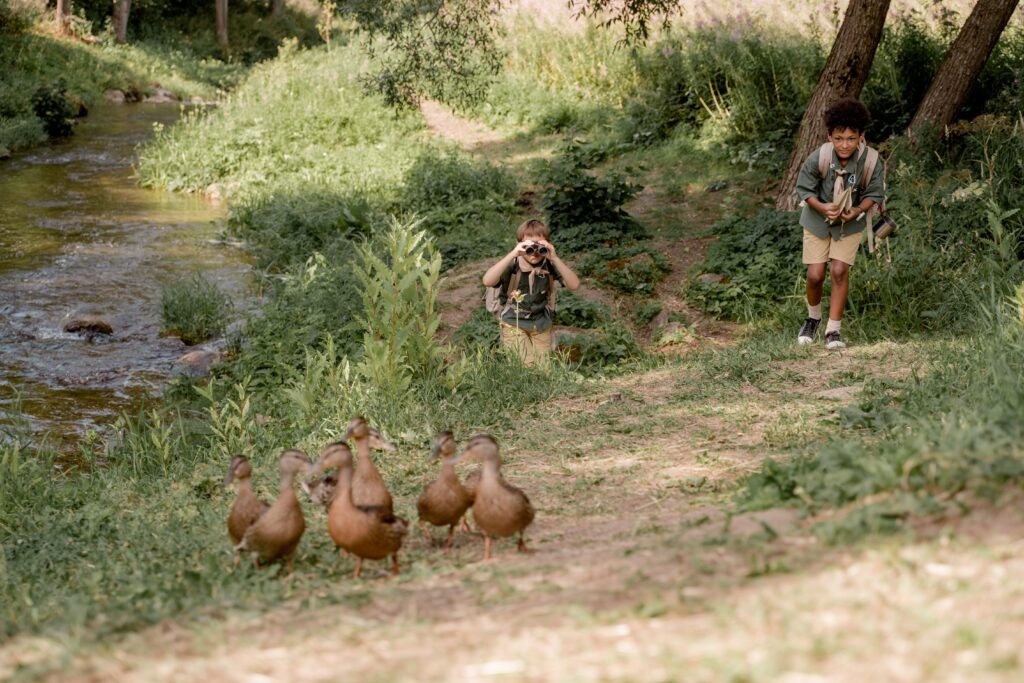
Go on a nature walk and collect leaves, stones, sticks, petals, and seeds. Bring them home and sort them by colour, size, shape, or texture on a tray. Use the Three-Period Lesson to introduce vocabulary: rough, smooth, heavy, light, long, short.
Skill built: Sensorial, language, classification, science
🎨 Outdoor Painting | Age: 2–7 years
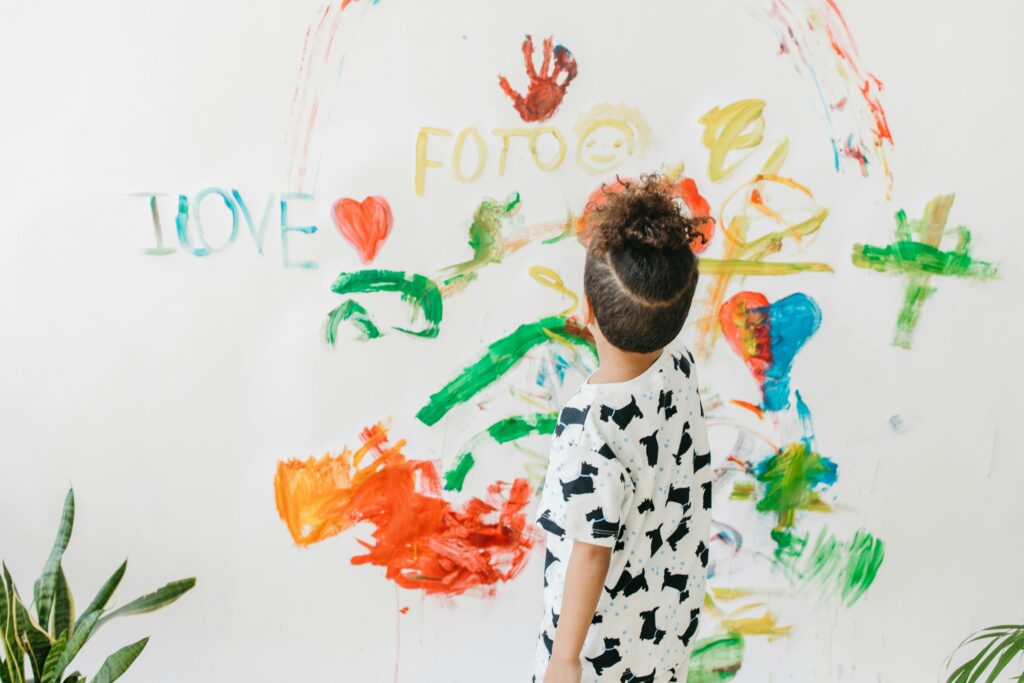
Watercolours on large paper outdoors, or painting with water on a fence or wall (it ‘disappears’ — children find this magical). For older children, nature printing: press leaves and flowers onto paper with paint. Every session is different, every piece is original.
Skill built: Creativity, fine motor, sensorial, colour theory
📚 Language — Reading, Storytelling, and Words
📖 Holiday Reading Basket | Age: All ages
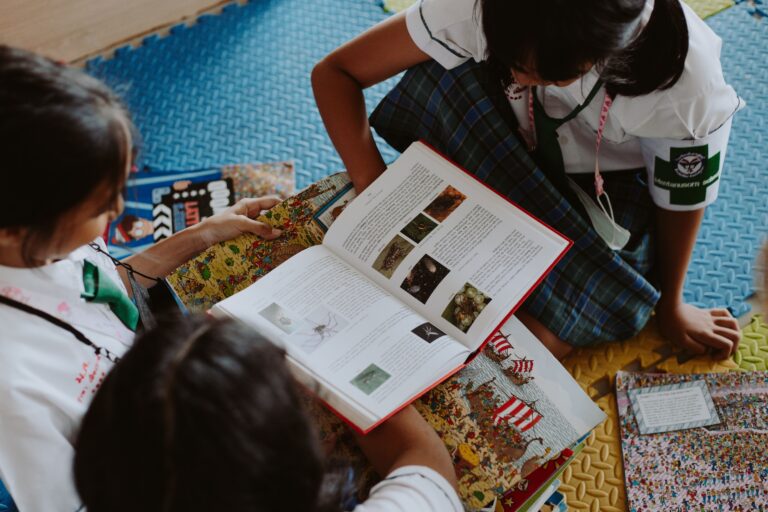
Fill a basket with 8–10 books — a mix of picture books, non-fiction, and one longer chapter book to read aloud together. Change the basket every two weeks. Read aloud every day, even to older children. The research on read-aloud is unambiguous: it builds vocabulary, comprehension, and a love of language more powerfully than almost anything else.
Skill built: Vocabulary, comprehension, imagination, bonding
✉️ Write Letters to Someone They Love | Age: 4–8 years
Writing to a grandparent, a cousin, or a friend gives writing a real purpose — which is the most powerful motivator of all. Even children who resist writing worksheets will write a letter willingly. Help with spelling only when asked. The imperfect letter sent is worth infinitely more than the perfect one never written.
Skill built: Writing, language, empathy, social connection
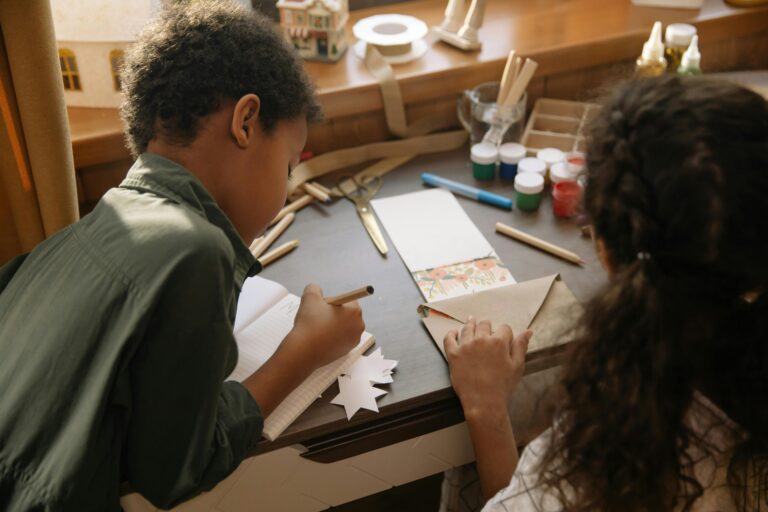
Winter Vacation Activities — Cosy, Calm, and Deeply Engaging
Winter holidays have a different energy — slower, cosier, more inward. This is a beautiful time for activities that require patience, concentration, and creativity. The Montessori materials really shine indoors during winter break.
🧩 Concentration and Fine Motor Skills:
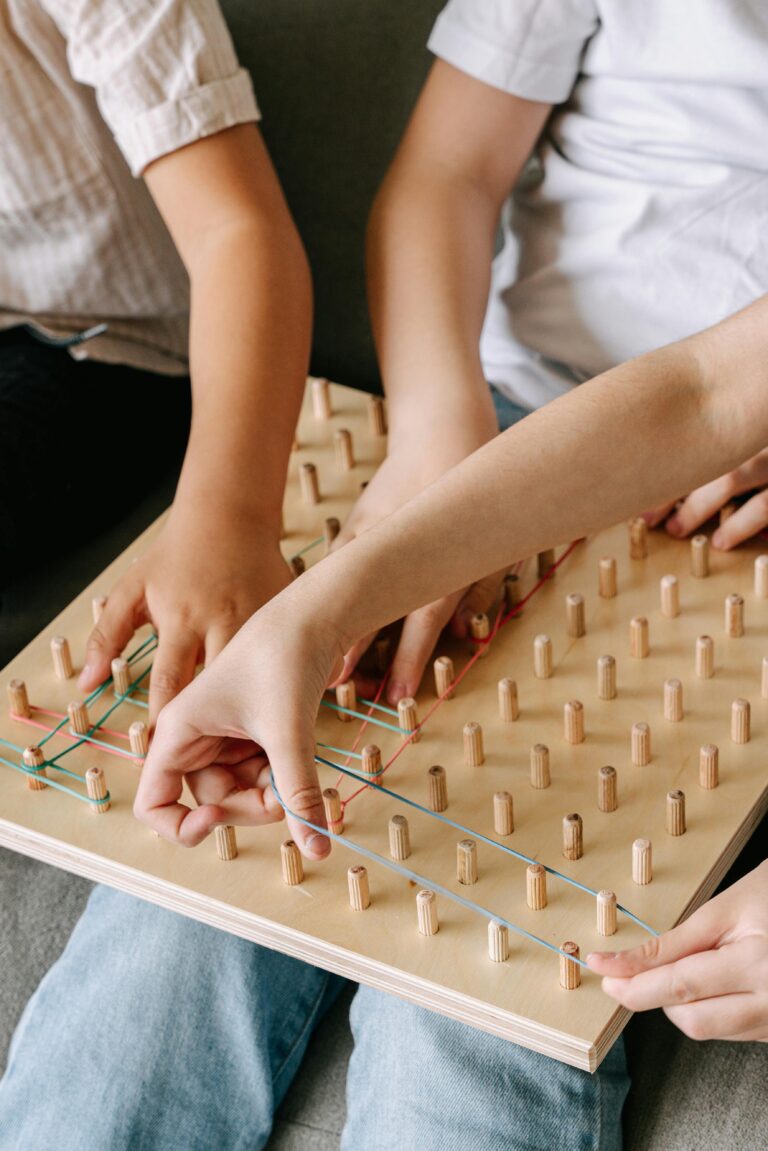
🧵 Threading and Lacing | Age: 2–5 years
Wooden lacing boards, sewing cards, or simple bead threading are perfect quiet-time winter activities. They build the pincer grip needed for writing, develop concentration, and produce a satisfying finished result. Children can do these independently for surprisingly long periods once they get started.
Skill built: Fine motor, concentration, pre-writing
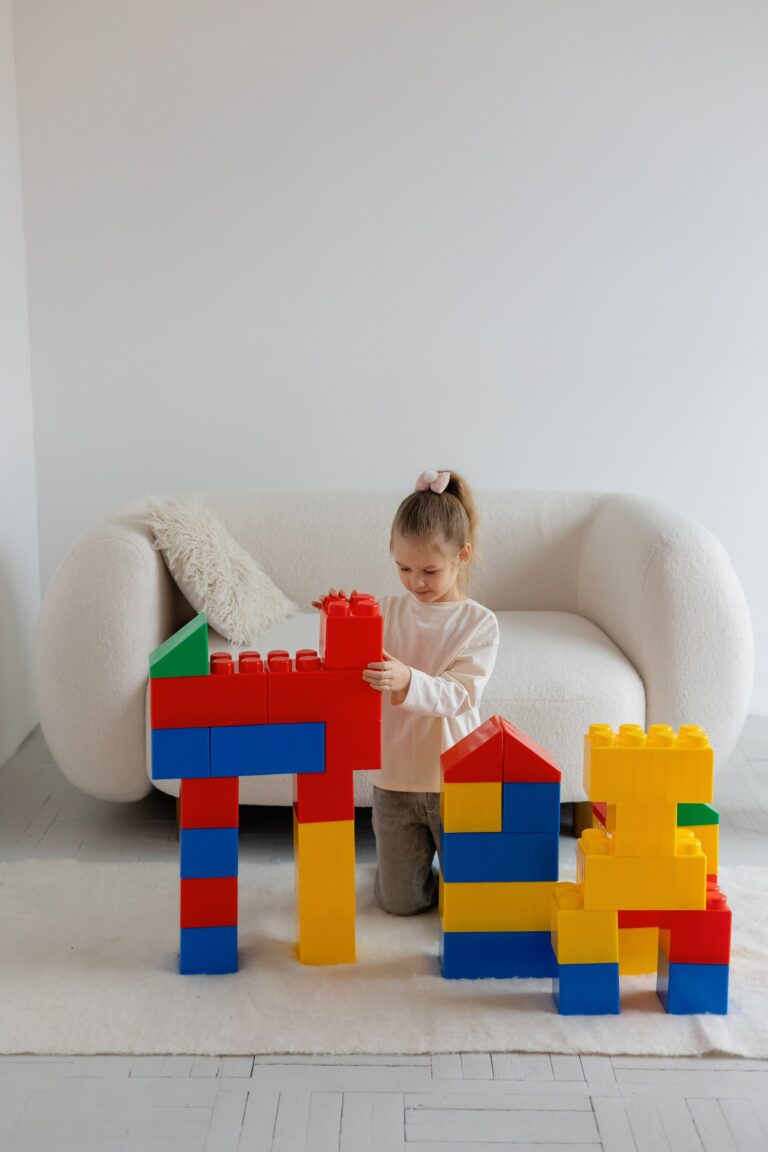
🧱 Building and Construction | Age: 2–8 years
Unit blocks, wooden planks, magnetic tiles — open-ended building materials are among the most valuable investments for winter break. A child who builds for an hour is practising spatial reasoning, physics, engineering thinking, problem-solving, and creative expression all at once.
Skill built: Spatial reasoning, maths, creativity, persistenc
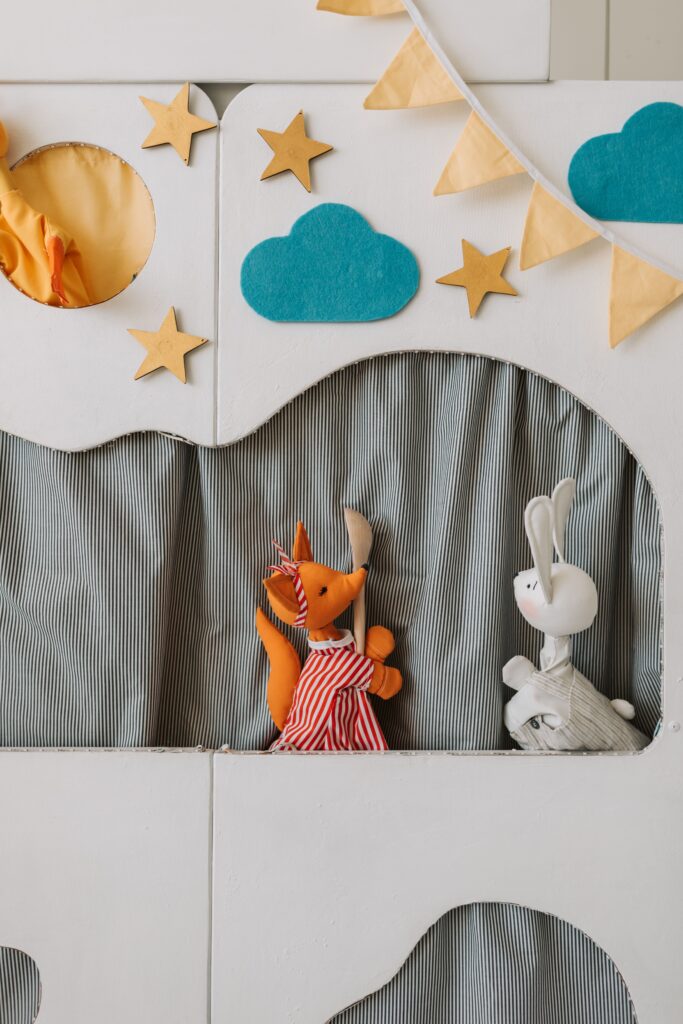
🎭 Puppet Show or Storytelling Theatre | Age: 3–8 years
Make simple puppets from socks or paper bags, build a theatre from a cardboard box, and let your child create their own story. This is language, creativity, sequencing, and performance all in one. The process — not the performance — is the learning.
Skill built: Language, creativity, narrative sequencing, confidence
🔢 Maths and Number
🔢 Counting in Real Life | Age: 2–6 years
Count stairs as you climb them. Count the cutlery as you set the table. Count socks as you sort them. How many windows? How many chairs? How many steps to the kitchen? Maths in real life, done playfully and without pressure, builds number sense far more effectively than any workbook.
Skill built: Number sense, counting, one-to-one correspondence
🃏 Matching and Memory Games | Age: 3–7 years
Make your own matching cards with drawings of objects from around the house, or use natural objects collected outside. Memory games build working memory, concentration, and visual discrimination — the same skills that Montessori sensorial materials develop.
Skill built: Memory, concentration, visual discrimination
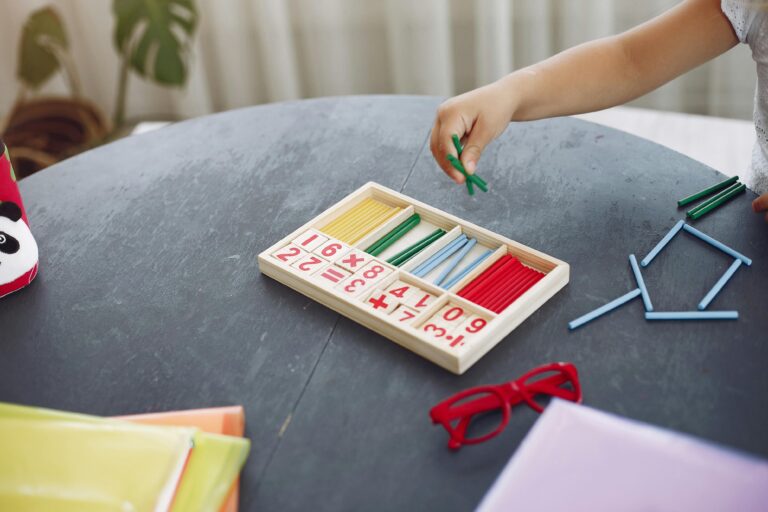
The Materials That Make Vacation Learning Come Alive
You don’t need to buy everything at once. A few well-chosen materials placed on a low shelf can transform the quality of your child’s vacation completely. Here are our top recommendations from KS Montessori — each one chosen specifically for holiday engagement:
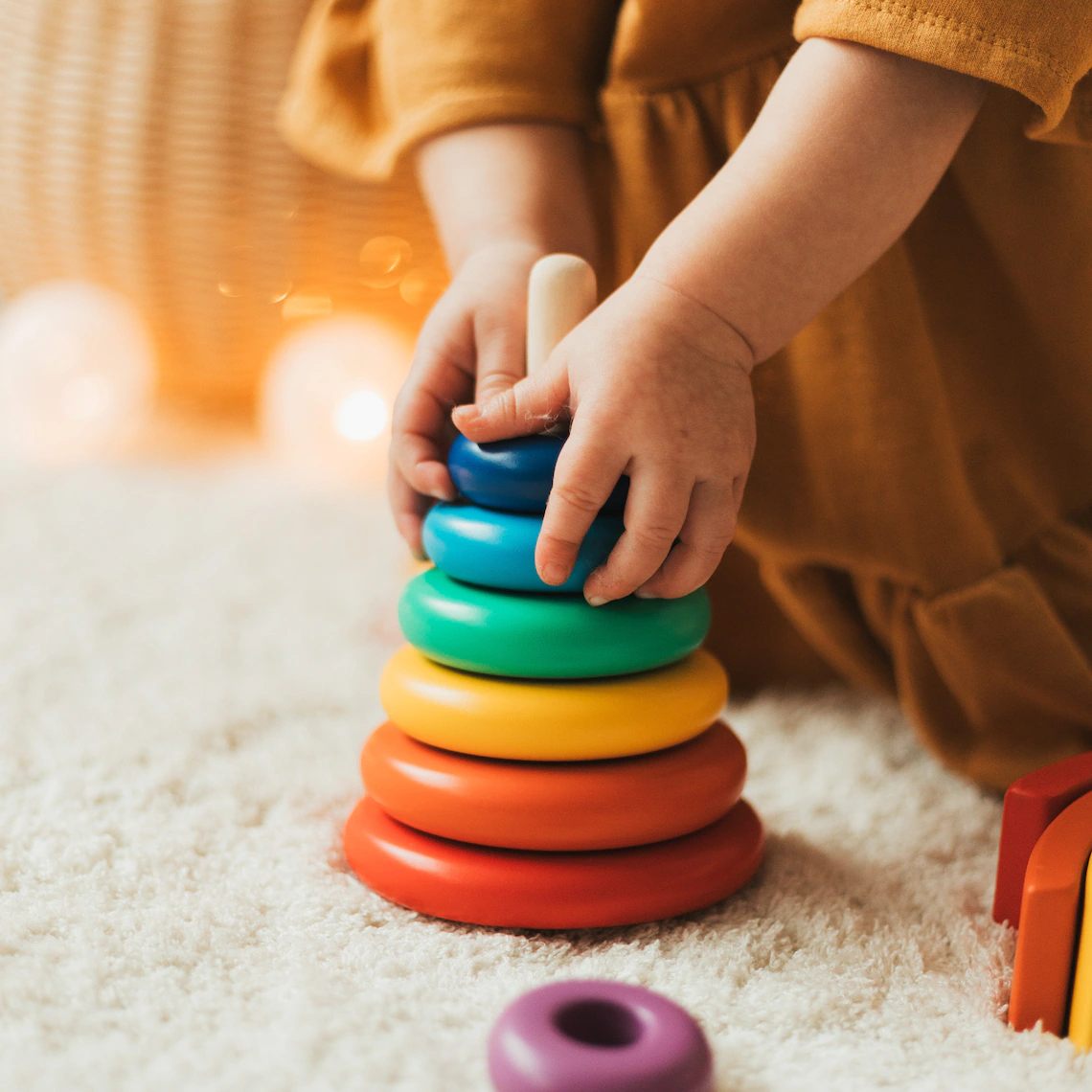
Wooden Stacking Rings
This stacking toy encourages early shape, color, and size-differentiation skills, and helps build fine motor skills. A great gift for toddlers
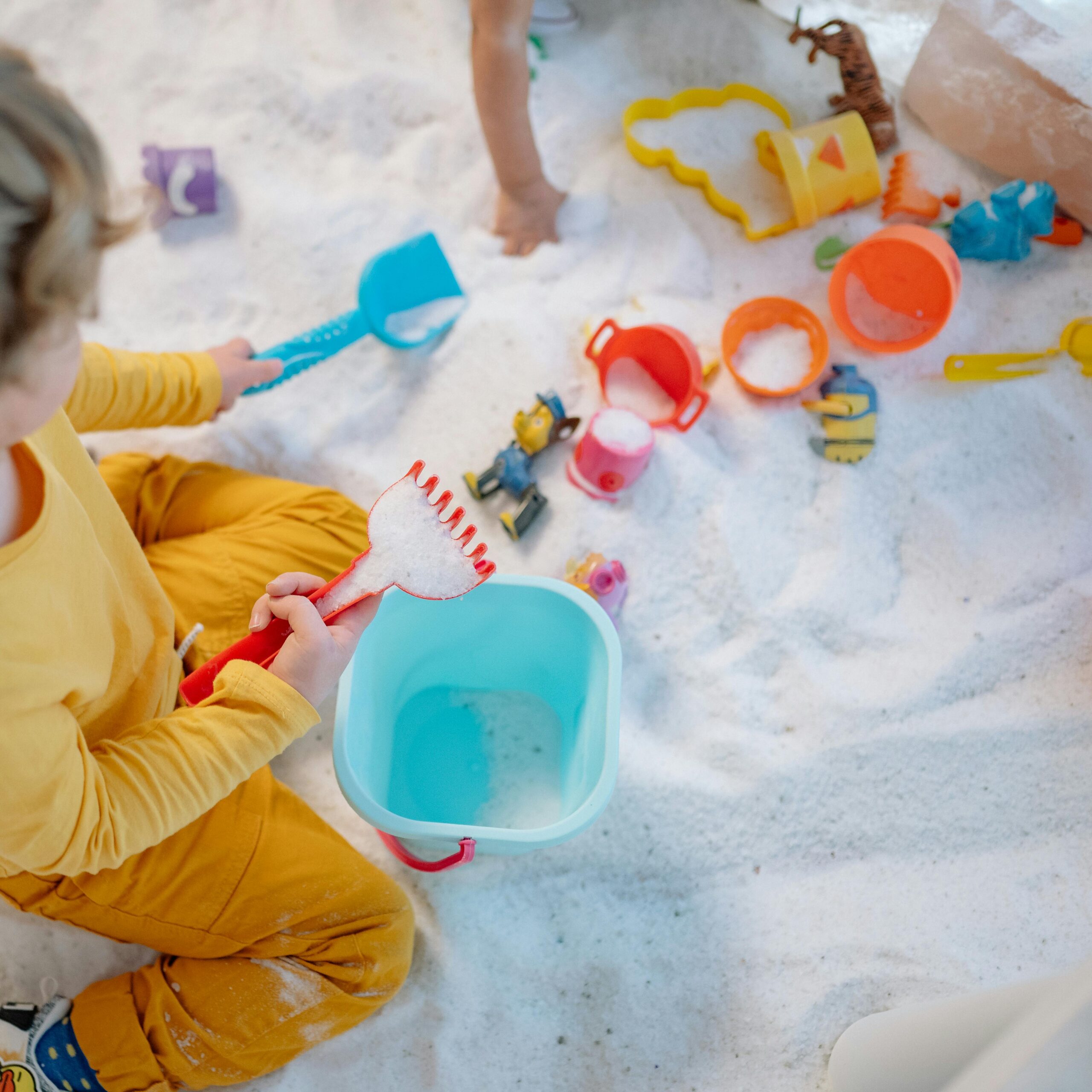
Dino & Ocean Sensory Bin
Sensory bins provide a hands-on learning experience for children, By engaging their senses,
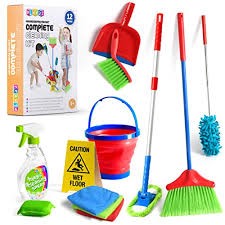
Kids Cleaning Set
Toddler broom and cleaning set would take an active role in helping kids maintain good personal hygiene and build good habits of keeping room tidy. Children can sweep their play area and clean it up with this toy broom set
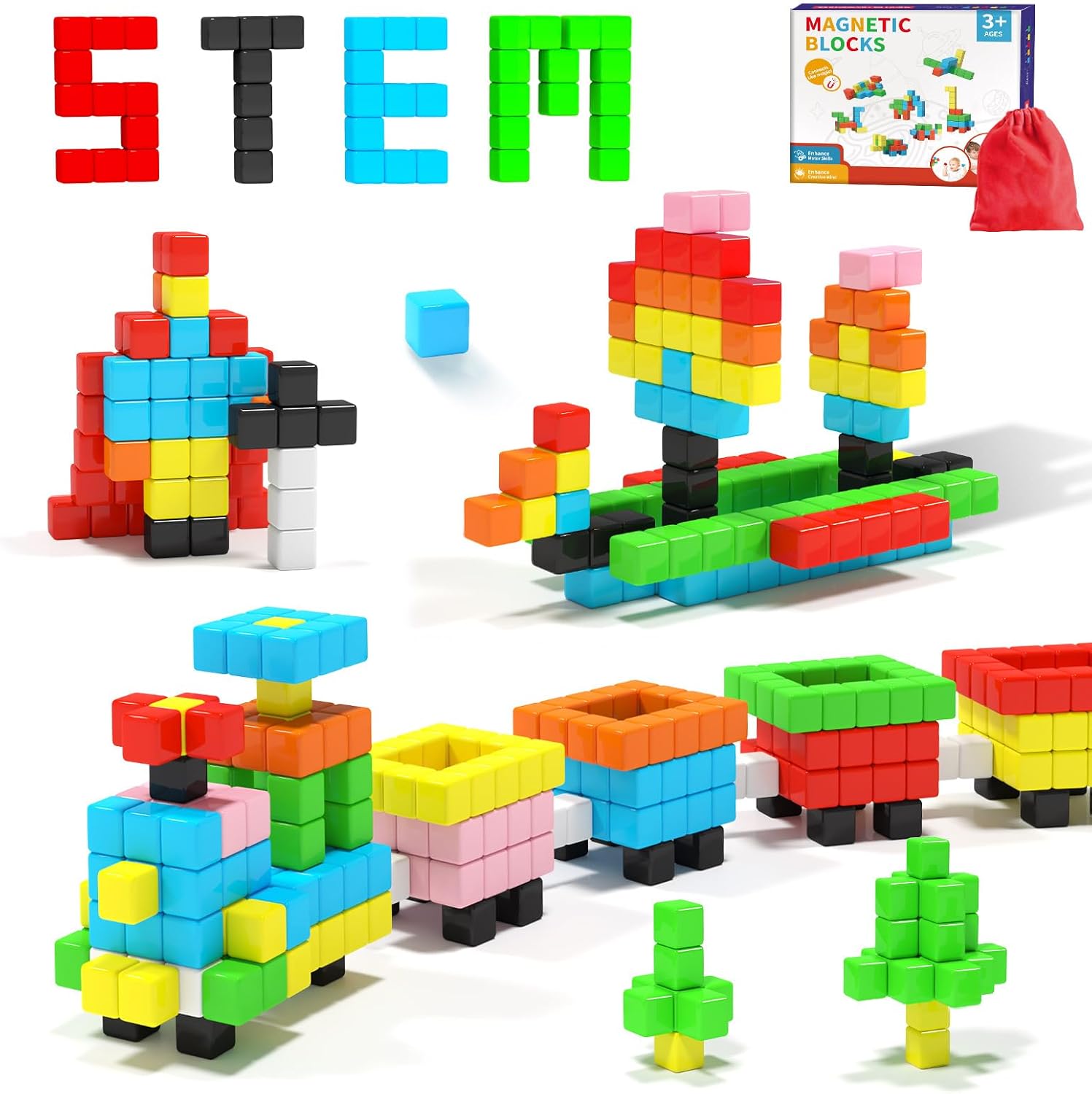
Safe & Strong Building Blocks with ASMR Sounds
Great building blocks for toddlers to foster their problem-solving abilities, spatial awareness and color coordination skills.
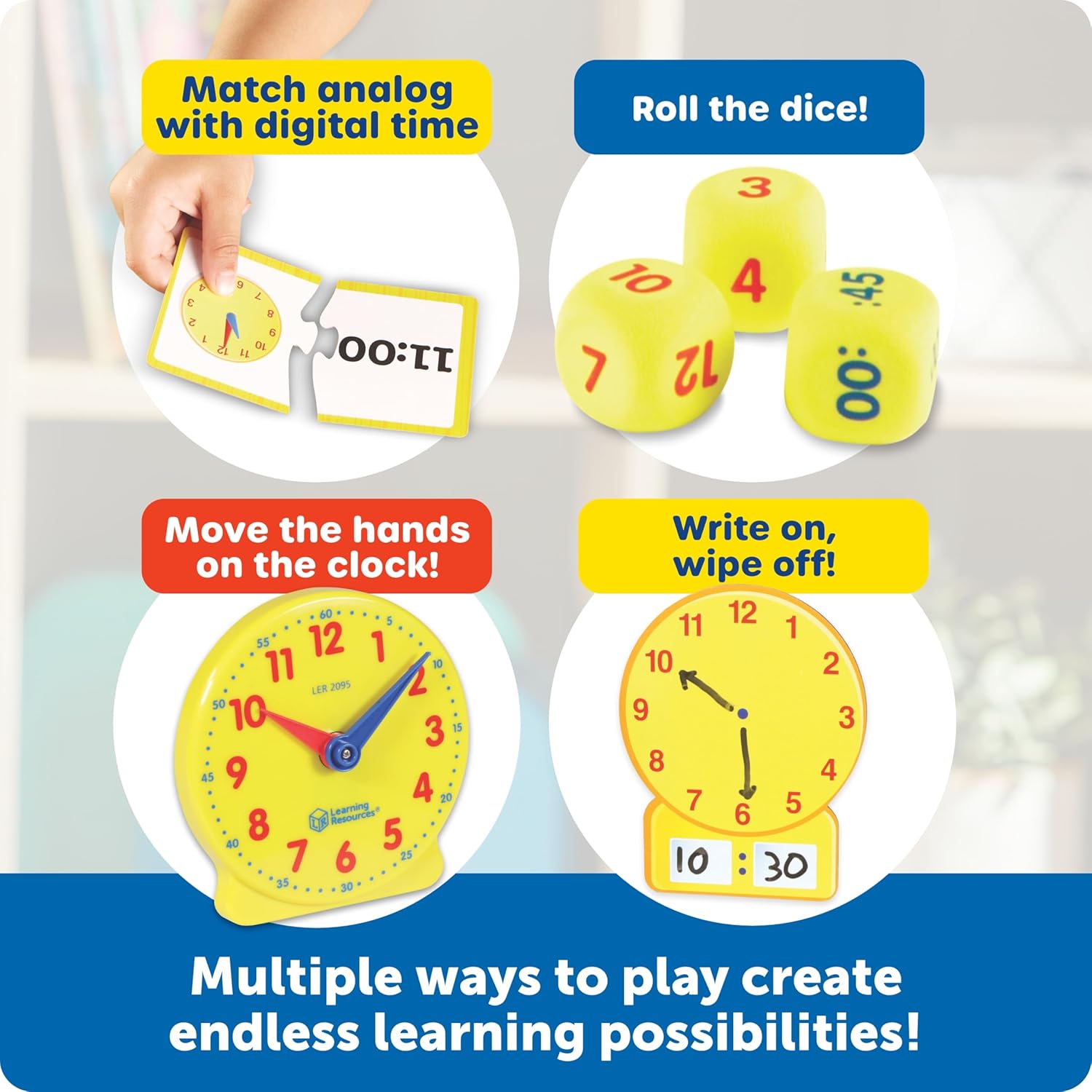
Time Activity Set - Kids Learning Clock
Designed to support learning how to tell time, this activity set helps students practice identifying hours, half-hours, and more using analog clocks
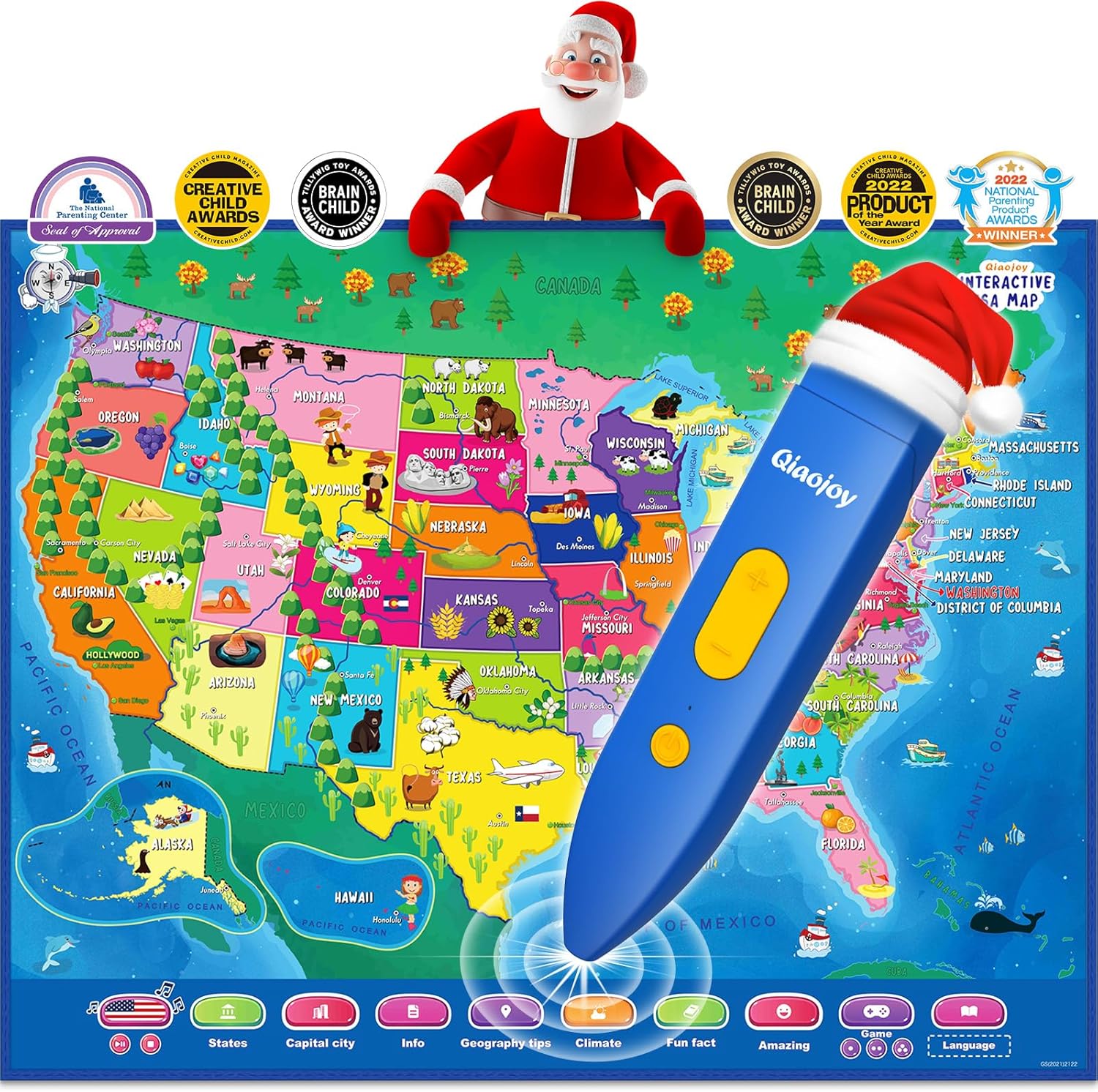
Bilingual United States Map for Kids Learning
In addition to learning the knowledge of the each state, in order to increase the fun of learning, clicking each icon on the map will make a different sound.
What to Do When Your Child Says 'I'm Bored'
It will happen. Even with the best prepared environment and the most thoughtful rhythm, your child will say it. Here’s how to respond the Montessori way:
- Don’t immediately offer a solution — pause and say ‘Hmm, what do you feel like doing?’ Let them sit with the feeling for a moment
- Offer two choices maximum — ‘Would you like to do the lacing boards or go outside?’ Too many options overwhelm; two options empower
- Suggest rather than direct — ‘I noticed you haven’t used the spindle boxes in a while’ plants a seed without pressure
- Do something yourself — sit down with a book, start a puzzle, begin a drawing. Children are powerfully drawn to what adults do. Your engagement is the most compelling invitation of all
- Accept that some boredom is healthy — the discomfort of boredom is often the precursor to the most creative play. Give it ten minutes before intervening
💛 Remember: A child who learns to handle boredom creatively is developing one of the most important life skills there is. Don’t rescue them from it too quickly.
Screen Time During Vacation — A Balanced View
Let’s be honest — screens are part of modern family life and pretending otherwise helps no one. The Montessori approach is not anti-screen. It is pro-real-experience. The two can coexist, with some simple boundaries:
- Screens after — not instead of — outdoor time, meals, and hands-on activities
- Co-view when possible — watch together and talk about what you see
- 30–60 minutes maximum for under-6s, preferably in one sitting rather than scattered throughout the day
- No screens in the hour before bed — the wind-down routine matters enormously for sleep quality
- Make screen time a conscious choice, not a default — ‘we’re choosing to watch this’ rather than background noise
When children have a rich, engaging physical environment, they naturally request screens less. The best screen-time strategy is not restriction — it is replacement with something better.
A Note for Parents: You Don't Have to Do It All
Reading a guide like this can sometimes feel overwhelming. The activities, the materials, the rhythm, the mindset — it can feel like yet another thing you’re supposed to be doing perfectly.
So here is a permission slip: you don’t have to do any of this perfectly. You don’t have to do all of it. Pick one idea from this list that feels genuinely manageable and try it this week. Just one.
Maybe it’s setting up a water pouring station outside. Maybe it’s putting three Montessori materials on a low shelf. Maybe it’s reading aloud for fifteen minutes before bed. Any one of these, done consistently with love and presence, is more valuable than ten activities done with stress and pressure.
Your children don’t need a perfect vacation. They need you — present, curious, and willing to explore the world alongside them. That is the real Montessori gift you can give them these vacations.
Conclusion: The Best Vacations Are the Ones Children Live
The holidays your children will remember are not the ones where every hour was filled with organised activities. They are the ones where they dug in the garden until their knees were muddy, where they made something with their hands that they were proud of, where they spent a whole afternoon completely absorbed in something they chose for themselves.
That is the Montessori promise — not a curriculum, not a method, but a deep trust in the child’s natural drive to learn, explore, and grow. Your home, your kitchen, your garden, and a few carefully chosen materials are all you need to give your child a vacation that feeds not just their time, but their whole development.
Ready to set up your vacation shelf? Explore our range of authentic Montessori materials at KS Montessori and give your child the best holiday gift of all — the joy of real, purposeful, hands-on learning.
Shop Montessori vacation materials: kiransaifmontessori.com