30+ Healthy, Easy Ideas Your Child Will Actually Eat
Complete Guide with Weekly Meal Plan + Montessori Feeding Tips | kiransaifmontessori.com
It is 5:30pm. You and your toddler are tired and open the fridge and stare into it like it owes you an answer. There are eggs, leftover rice and half a cucumber. And somewhere behind the yoghurt is a small voice in your head asking: is this actually nutritious enough? Am I doing this right?
If this sounds familiar — welcome. You are in the most universal experience of toddler parenting. Feeding a child aged 1 to 4 is one of the most confusing, worrying, and occasionally maddening tasks of early parenthood. They loved pasta last week. This week pasta is apparently poison.
Here is the guide to take the stress out of toddler mealtimes. You will find over 30 easy, nutritious meal ideas for breakfast, lunch, dinner, and snacks — organised by age, by situation, and by what to do when your toddler refuses everything. Plus a full weekly meal plan you can use right now and Montessori feeding principles that make mealtimes calmer, more independent, and genuinely more enjoyable for everyone.
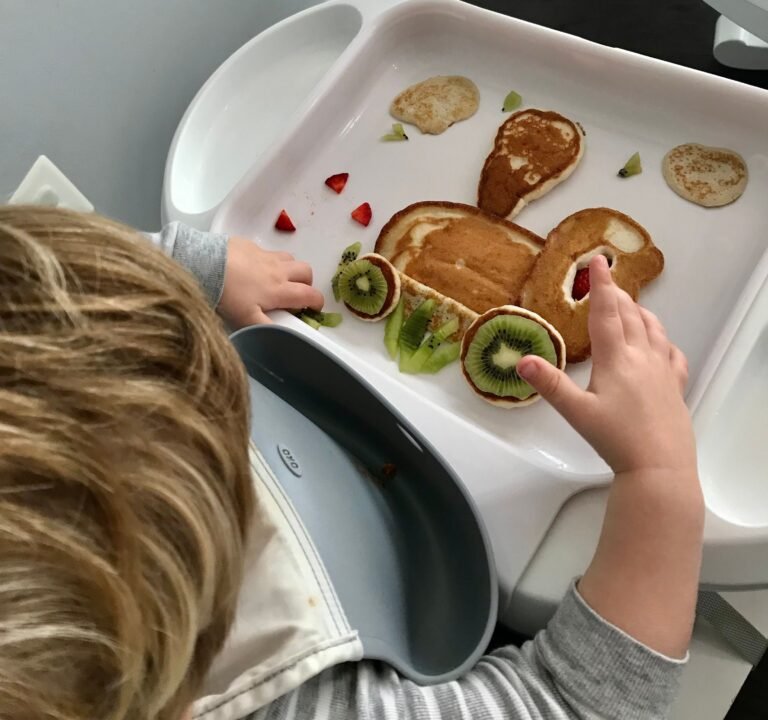
First — Understanding How Toddlers Actually Eat
Before we get to the meals, it helps to understand something important: toddler eating behavior is biologically unusual, and what looks like fussiness is often completely normal developmental behavior.
Why toddlers are picky — and why that is not a parenting failure
Around 18 months, many children who previously ate anything suddenly become selective. This is called neophobia — a fear of new foods — and it is a normal evolutionary response. In ancestral environments, a toddler eating unfamiliar things without caution could be dangerous. The brain is doing its job.
The neophobia peaks between 2 and 3 years old and gradually reduces as children are repeatedly, gently, and pressure-freely exposed to a wide range of foods. See the key word is “repeatedly. Research suggests a child may need to see a new food 10 to 15 times before they will try it. That is not failure. This is biology.
How much should a toddler actually eat?
Less than you think. A toddler’s stomach is roughly the size of their fist — small. Toddler portion sizes are about one quarter of an adult portion. Expecting a toddler to eat what looks like a full meal by adult standards will always end in disappointment.
A general guide: 1 tablespoon of each food per year of age. So a 2-year-old might eat 2 tablespoons of rice, 2 tablespoons of vegetables, and 2 tablespoons of protein. That is a complete, appropriate meal for them — even if it looks like almost nothing.
💛 The Most Important Rule of Toddler Feeding: You decide what food is offered, when it is offered, and where it is eaten. Your child decides whether to eat it and how much. This division of responsibility — from feeding therapist Ellyn Satter — reduces mealtime battles more than any other single strategy.
The Montessori Approach to Mealtimes
In Montessori, mealtimes are not just about nutrition — they are a rich practical life experience. Children eat at a child-sized table with real plates, real cups, and real cutlery. They serve themselves from small bowls and jugs, pour their own water and wipe up their own spills.
This approach builds independence, fine motor skills, body awareness, and a healthy relationship with food. A child who participates in their own feeding — even if they make a mess — develops confidence and autonomy that extends far beyond the kitchen table.
Toddler Breakfast Ideas
Breakfast is often the most successful meal of the day for toddlers — they are rested, not yet overtired, and often genuinely hungry. Use this window well. Here are 10 breakfast ideas that are nutritious, quick, and toddler-approved
Warm Oats with Banana and Honey
🥣 Warm Oats with Banana and Honey | 12 months+
Ingredients: Rolled oats, ripe banana, a drizzle of honey (over 12 months only), whole milk
Why it works: Iron-rich oats, natural sugars from banana for sustained energy, fat from whole milk for brain development
Montessori tip: Let your toddler mash the banana themselves with a fork. They are far more likely to eat something they helped
🥚 Scrambled Eggs on Soft Toast
Ingredients: 2 eggs, butter, soft wholemeal toast, optional: grated cheese
Why it works: Eggs are one of the most complete nutrition sources available — protein, healthy fat, choline for brain development. Cheese adds calcium.12+months
Montessori tip: Teach your toddler to carry their plate to the table themselves, even if it takes longer. This builds ownership of mealtimes
🍓 Yoghurt, Fruit and Oat Parfait
Ingredients: Full-fat plain yoghurt, berries or soft chopped fruit, a sprinkle of oats or granola
Why it works: Full-fat dairy provides calories crucial for toddler brain growth. Berries deliver antioxidants and vitamin C. The texture variety encourages oral motor development.
🧀 Cheese and Avocado Toast
Ingredients: Wholemeal toast, mashed avocado, grated cheese.
Why it works: Avocado provides healthy fats critical for brain development. Cheese adds protein and calcium. Wholemeal bread gives fibre and B vitamins. 12+ months.
Montessori tip: Cut toast into fingers, not squares — finger-shaped pieces are easier for toddler hands to grasp and encourage independent eating.
💡 Breakfast Principle: Always include protein at breakfast — eggs, yoghurt, cheese, nut butter. Protein at breakfast stabilises blood sugar and reduces the mid-morning meltdown that hungry toddlers are famous for.
Toddler Lunch Ideas
Lunch is where variety really matters. After a morning of play and activity, toddlers need a balanced, satisfying midday meal. These ideas are simple enough for busy parents but varied enough to keep toddlers interested:
🥙 Mini Pitta with Hummus and Vegetables 18+
Ingredients: Mini pitta or flatbread, hummus, cucumber sticks, cherry tomatoes halved, grated carrot
Why it works: Hummus provides plant protein and healthy fats. Vegetables introduce a range of textures, colours, and nutrients. Pitta is easy for small hands to manage independently.
Montessori tip: Arrange the vegetables in a simple pattern on the plate — a face, a flower, a rainbow. Toddlers eat with their eyes first. Visual interest increases willingness to try.
🍝 Pasta with Hidden Vegetable Sauce 12+
Ingredients: Short pasta shapes, tinned tomatoes, onion, garlic, courgette, carrot — blended smooth
Why it works: Blending vegetables into sauce is a practical strategy while children’s palates develop. Short pasta shapes like penne or fusilli are easy for small hands to spear with a fork.
Montessori tip: Serve a tiny piece of the visible vegetable beside the pasta. Repeated exposure without pressure is how toddlers eventually try new foods
🍳 Egg Fried Rice | 12 months+
Ingredients: Cooked rice, 1 egg, frozen peas, sweetcorn, a splash of low-salt soy sauce
Why it works: A brilliant use of leftover rice. Eggs add protein, peas add iron and fibre, sweetcorn adds natural sweetness toddlers love. Quick, nutritious.
Montessori tip: Let your toddler stir the ingredients in the pan (with close supervision and a long spoon). Children who cook eat more adventurously.
🥣 Lentil and Vegetable Soup with Bread
Ingredients: Red lentils, onion, carrot, potato, vegetable stock — blended or chunky.
Why it works: Lentils are one of the best sources of iron and plant protein for young children. Soup is also a brilliant way to increase fluid intake on days when drinking feels like a battle.
Montessori tip: Serve with a soft bread roll your toddler can tear themselves. Independent tearing of bread is a satisfying practical life activity .
Toddler Dinner Ideas
Dinner is often the hardest meal of the day — toddlers are tired, you are tired, and the window for cooperation is narrow. These dinner ideas are designed to be genuinely quick to prepare while still being nutritious and varied enough to support a developing palate:
🍗 Shredded Chicken with Sweet Potato Mash | 12 months+
Ingredients: Chicken breast or thigh (slow cooked or pressure cooked for easy shredding), sweet potato, butter, milk
Why it works: Shredded chicken is easy for toddlers to manage without choking. Sweet potato is rich in beta-carotene, vitamin C, and natural sweetness that most toddlers love. A complete, balanced meal in one bowl.
Montessori tip: Let your child mash the potato themselves with a hand masher. The effort makes the result feel like their own.
🐟 Simple Salmon with Peas and Rice | 12 months+
Ingredients: Salmon fillet (baked or steamed), peas, white or brown rice
Why it works: Salmon is one of the richest sources of omega-3 fatty acids available — essential for toddler brain development. Introduce fish early and regularly to build a lifelong healthy eating habit.
Montessori tip: Remove any bones carefully and serve salmon in small flakes. Let your toddler use a fork to flake their own piece at the table.
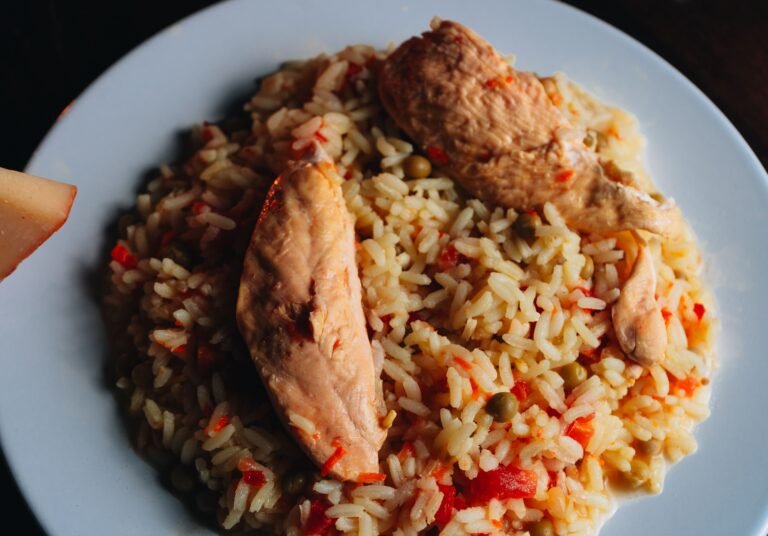
🫘 Dhal with Rice and Roti | 12 months+
Ingredients: Red lentils, turmeric, cumin, onion, garlic, tinned tomatoes
Why it works: Dhal is a nutritional powerhouse — iron, protein, fibre, and complex carbohydrates. It is also one of the easiest foods for toddlers to eat independently because it sticks to a spoon. Mild spices at this age build a broad palate.
Montessori tip: Roti torn into pieces is excellent for scooping and builds independence. Toddlers who eat with their hands are developing fine motor skills and sensorial awareness simultaneously.
🥦 Veggie Omelette with Toast Fingers | 12 months+
Ingredients: 2 eggs, diced peppers, spinach, grated cheese — cooked as a flat omelette and cut into strips
Why it works: Eggs for dinner is always a valid choice, despite what any inner voice of guilt might say. Quick, protein-rich, easily varied, and almost universally accepted by toddlers when cut into appealing strip shapes.
Montessori tip: Show your toddler how to fold their toast in half and dip it. Playful eating is not bad manners at this age — it is sensorial exploration.
7-Day Toddler Meal Plan — Ready to Use
Save yourself the daily decision fatigue. Here is a complete, balanced 7-day toddler meal plan you can use this week:
Day | Breakfast | Lunch | Dinner | Snack |
Mon | Oats + banana | Pitta + hummus + veg | Shredded chicken + sweet potato | Apple slices + yoghurt dip |
Tue | Scrambled eggs + toast | Pasta + hidden veg sauce | Salmon + peas + rice | Cheese cubes + crackers |
Wed | Yoghurt parfait + berries | Lentil soup + bread | Mini meatballs + pasta | Banana + nut butter |
Thu | Banana oat pancakes | Egg fried rice | Dhal + rice + roti | Cucumber + hummus |
Fri | Avocado + cheese toast | Mini courgette fritters | Veggie omelette + toast | Blueberries + rice cake |
Sat | Oats + grated apple | Pitta pizza + cheese | Chicken + roast veg + potato | Mini banana muffin |
Sun | Eggy bread + berries | Jacket potato + tuna + sweetcorn | Family meal adapted | Energy balls |
Dealing with Picky Eating — What Actually Works
Foods to Be Careful With Under Age 4
Most foods are suitable for toddlers with appropriate preparation. However, there are some foods that require care due to choking risk or nutritional concerns:
Choking hazards — always modify these:
- Whole grapes, cherry tomatoes, blueberries — always halve or quarter
- Whole nuts — always grind or use as nut butter
- Raw carrot sticks — grate or cook until soft for under-2s
- Large chunks of meat — shred or cut into tiny pieces
- Popcorn — not recommended under 4
- Hard, round sweets — not appropriate for toddlers at all
Nutritional considerations:
- Added salt — toddler kidneys cannot process adult levels; cook without salt and add to adult portions separately
- Added sugar — limit as much as possible; natural sweetness from fruit is ideal
- Honey — avoid under 12 months (botulism risk); fine after that
- Low-fat dairy — toddlers need full-fat dairy for brain development; avoid low-fat products under 2
- Unpasteurised cheeses — avoid soft unpasteurised cheeses like brie and camembert under 2
The Montessori Kitchen — Making Mealtimes a Learning Experience
In Montessori, the kitchen is not somewhere to keep children away from — it is one of the richest learning environments in the home. Here is how to make mealtimes genuinely Montessori:
- Use a learning tower or step stool so your toddler can reach the counter and participate in food preparation
- Provide child-sized real tools — a blunt spreading knife, a small chopping board, a grater with supervision
- Set up a low snack station — a small shelf or drawer with their own cup, plate, and healthy snack options so they can serve themselves when hungry
- Use real tableware — a real plate, real cup, real cutlery teaches respect for objects and builds fine motor control
- Let them pour their own water from a small jug — transferring liquids is a core Montessori practical life skill
- Expect mess and provide the means to clean it up — a small cloth at their level means they can wipe their own spills independently
Montessori Materials That Support Healthy Eating Habits
Beyond the kitchen itself, several Montessori materials actively support the fine motor skills, independence, and practical life abilities that make mealtimes calmer and more joyful:
- Dressing Frames — Builds the same pincer grip and hand control that toddlers need to use cutlery independently. A child who can button a frame can manage a spoon and fork with control.
- Dino and ocean sensory bin
— Teaches holding spoons and enhance grip and hand control Toddlers playing with sensory bin experience holding the spoon, filling it and pouring to the plate/ bin. - Counter Cards and Counters — Use these to make counting food items playful and educational — how many peas? how many pasta pieces? Maths and mealtimes beautifully combined.
- Water Pouring Set — Develops the fine motor control and hand strength that toddlers need to manage real cutlery, pour from jugs, and handle food preparation tasks independently.
- Kids Cleaning Set. Provides a real life opportunity to organize themselves. It will produce a sense of responsibility in kids that cleaning after eating is essential part of daily life.
 Shop All Montessori Materials: All materials above are available at kiransaifmontessori.com — designed to build the independence, fine motor skills, and practical life capabilities that make toddler mealtimes calmer and more joyful.
Frequently Asked Questions
It is more common than you think. Some toddlers go through phases of extreme food restriction, particularly between 18 months and 3 years. As long as those foods include some protein, some carbohydrate, some fat, and some fruit or vegetable, your child is likely getting enough nutrition. If the restriction is severe and accompanied by anxiety, gagging, or distress around food, a feeding therapist or paediatrician can help.
In an ideal world, a varied diet provides everything a toddler needs. In the real world of toddler eating, many parents choose to supplement with vitamin D (especially in winter or low-sunlight climates), iron (particularly if meat intake is low), and omega-3 (if fish is refused). Speak to your paediatrician before supplementing.
Current guidelines recommend introducing common allergens (peanuts, eggs, tree nuts, fish, wheat, dairy) early — around 6 months for most babies, not avoiding them. For toddlers, if an allergen has not yet been introduced, introduce one at a time in small amounts and watch for any reaction. If there is a family history of allergies, speak to your doctor first.
This is one of the most common feeding concerns parents bring up, and it has a name: the 18-month regression. It is the peak of food neophobia and it passes. Keep offering variety without pressure, eat together as a family, involve your child in food preparation, and trust that the adventurous eater they once were is still there, just temporarily cautious. They will come back to food — on their own timeline.
Conclusion: Mealtimes Are More Than Just Food
When you sit down with your toddler for a meal — however simple, however messy, however short — you are doing something that matters far beyond the nutrition on the plate. You are building a relationship with food. You are modelling what eating looks like. You are showing your child that mealtimes are a time to gather, to connect, to belong.
The scrambled eggs matter. But the fact that you made them together, that your toddler carried their plate to the table, that you sat and ate side by side — that matters more.
Feed them well. Feed them with love. And give yourself enormous credit for showing up to this meal, and the next one, and the one after that. That is what toddler feeding actually looks like — imperfect, repetitive, occasionally maddening, and quietly, profoundly important.
For Montessori materials that make the kitchen and mealtimes a richer learning experience, visit us at KS Montessori. Everything we offer is designed with one goal: to support your child’s growing independence, one small, purposeful step at a time.
Shop Montessori materials: kiransaifmontessori.com