What Screen Time Really Does to Your
Toddler's Brain — And What to Do Instead
A Calm, Honest, Guilt-Free Guide for Parents | kiransaifmontessori.com
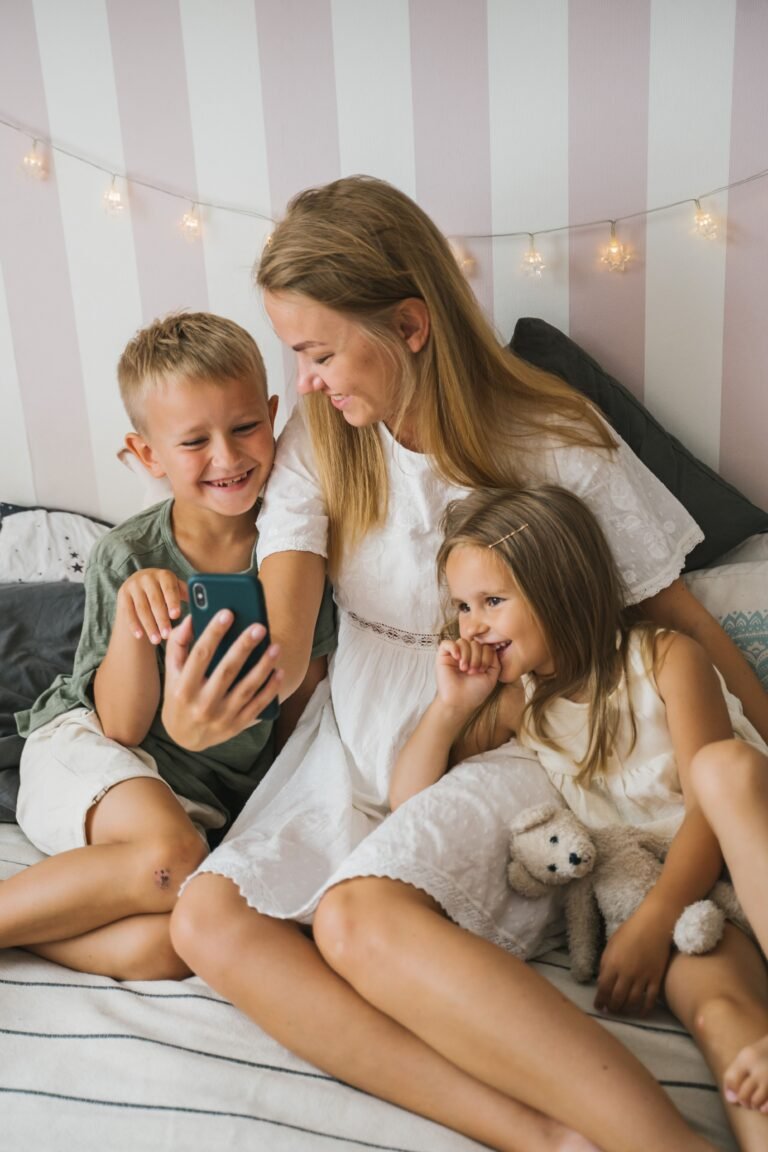
Let’s start with honesty: your child has had screen time today. Or yesterday. May be regularly enough that you picked up this article with a small knot of guilt in your stomach.
And let’s be equally honest about something else: so has almost every other child their age. You are not a bad parent. But a real one — navigating a world that was not designed for raising small children without screens.
But the questions you are asking are the right ones. What is actually happening in my toddler’s brain when they watch a screen? Is it really as harmful as the headlines suggest? And if I want to cut back — what on earth do I replace it with, especially when I need five minutes to make dinner?
This guide answers all of it. No scaremongering. No impossible standards. Just honest information and practical alternatives that actually work — including the Montessori approach to screen-free engagement that has been proven for over a century
Part One: What Screen Time Actually Does to Your Toddler's Brain
The toddler brain is not a smaller version of an adult brain. It is a brain in the most rapid period of development it will ever experience — forming over one million new neural connections every single second. What goes into that brain during these years shapes its architecture for life.
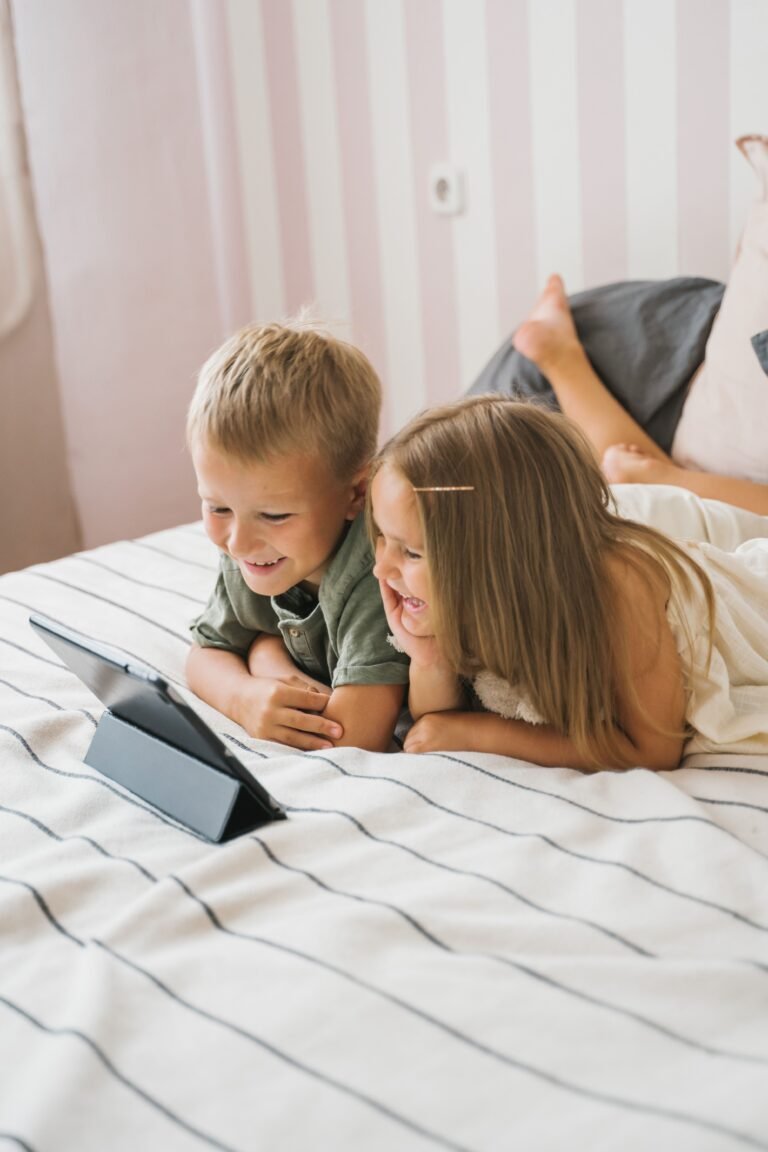
So when we talk about screen time and the developing brain, we are not talking about a temporary distraction. We are talking about what happens when a brain that is built for multi-sensory, physical, social, real-world experience spends significant time in a passive, two-dimensional, fast-moving visual environment instead.
Here is what the research actually tells us — in plain language:
1. Screens are designed to be irresistible — and toddler brains cannot resist them
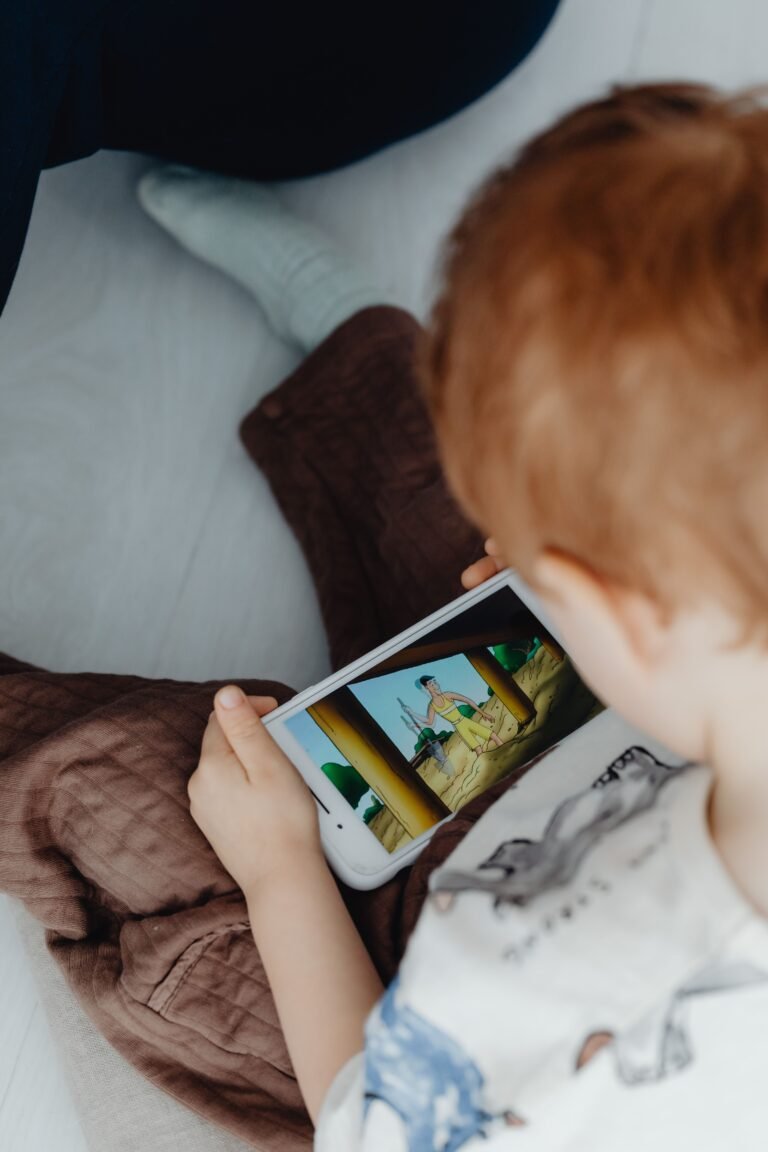
The apps, shows, and videos that toddlers watch are engineered by teams of experts to be maximally engaging. Rapid movement, bright colours, frequent sound effects, constant novelty — these features trigger the brain’s dopamine system, the same reward pathway activated by food and social connection.
A toddler’s prefrontal cortex — the part of the brain responsible for self-regulation, impulse control, and deciding when enough is enough — is not developed enough to manage this stimulation. This is why toddlers melt down when the screen is taken away. It is not naughtiness. It is neurology.
💛 What this means for you: Your toddler is not addicted to screens because of weak willpower or your parenting failure. They are responding exactly as their developing brain is wired to respond to engineered stimulation. The solution is not shame — it is structure.
2. Heavy screen time can delay language development
This is one of the most consistent findings in screen time research. Multiple large studies — including research published in JAMA Pediatrics — have found that children with high screen time in the early years (particularly under age 3) show slower vocabulary growth and language development than children with lower screen time.
The reason is straightforward: language is built through real, back-and-forth conversation with real people. Every time a parent talks to a child, asks a question, responds to a babble, and waits for a reply, they are building neural pathways for language. A screen talks at a child. It never listens, never responds and cannot build a conversation.
Educational shows and apps can introduce vocabulary — but they cannot replace the language built through live human interaction. Not even close.
🔬 Research Finding: A study in JAMA Pediatrics found that for every additional 30 minutes of screen time per day in toddlers, the odds of expressive language delay increased by 49%. This does not mean screens cause language delay — but it does mean time spent on screens is time not spent in the conversations that build language
3. Fast-paced content can affect attention and self-regulation
Content designed for toddlers moves fast. Characters speak quickly, scenes change rapidly, sounds are frequent and stimulating. Over time, a brain accustomed to this level of input can find the slower pace of real life — a conversation, a book, a quiet activity — harder to engage with.
Research from the University of Virginia found that just nine minutes of watching fast-paced cartoons significantly impaired four-year-olds’ attention, working memory, and impulse control compared to children who had spent that time drawing or watching slow-paced educational content.
This does not mean your toddler is permanently affected by one morning of cartoons. It means that a diet of fast-paced screen content over time can make it harder for the brain to build the sustained attention that deep learning requires.
- Screens replace experiences the brain needs
Perhaps the most important screen time concern is not what screens do to the brain — it is what they replace. Every hour in front of a screen is an hour not spent:
- Moving the body — building gross motor skills, coordination, spatial awareness
- Using the hands — building fine motor skills, sensorial knowledge, the foundations of writing
- Talking to real people — building language, social skills, emotional intelligence
- Playing imaginatively — building creativity, narrative thinking, symbolic understanding
- Experiencing boredom — building the ability to self-direct, self-motivate, and create
The developing brain is not damaged by screens so much as it is starved of the real, physical, social experiences it needs to develop fully. This is the core of the concern — and the core of why the Montessori approach is so relevant here.
5. Background screens affect everyone in the room
Even when a child is not actively watching, background television affects them. Research shows that background TV interrupts play — children engage in shorter, lower-quality play episodes when a TV is on in the room, even if they are not looking at it. It also interrupts parent-child interaction — adults speak less to children when a screen is on nearby.
Turning off the screen when it is not being actively watched is one of the simplest and highest-impact changes a family can make.
Not All Screens Are Equal — And Context Matters
Before we go further, a crucial point: not all screen time is the same, and the research does not suggest that any and all screen exposure is harmful. The type, quality, and context of screen use matters enormously.
What We Compare | Higher Concern | Lower Concern |
Content Type | Fast-paced cartoons, autoplay videos, TikTok-style reels | Slow-paced educational shows, age-appropriate documentaries |
How it is used | Solo, passive watching for long periods | Co-viewing with a parent who talks about what you see |
Time of day | First thing in the morning, before bed, during meals | As a deliberate choice after active play and outdoor time |
Age of child | Under 18 months (except video calls) | Over 2 years with clear time limits and content choice |
What it replaces | Outdoor play, hands-on activity, conversation, sleep | A genuine rest period; deliberate family viewing |
💡 The Honest Guideline: The World Health Organisation recommends no screen time for children under 2 (except video calls), and no more than 1 hour per day for children aged 2 to 4. Most paediatric bodies around the world align with this guidance. If your child’s screen time is currently much higher than this, you are not alone — and a gradual, calm reduction is completely achievable.
Part Two: 20+ Real Alternatives to Screen Time That Children Actually Love
Here is the thing that nobody tells you about reducing screen time: children do not actually need screens to be happy, calm, or entertained. What they need is the right environment and the right invitation. When both are present, children will choose real-world engagement over a screen almost every time.
The following alternatives are organised by age and by the type of need you are trying to meet — because sometimes you need five quiet minutes, and sometimes you want a full afternoon of engagement. Both are valid, and there are screen-free solutions for both.
When You Need 5–10 Quiet Minutes Right Now
This is the real challenge, isn’t it? Not the weekend, not the holiday — but 5:45pm when you need to make dinner and your toddler needs something. Here are the alternatives that actually work in those moments:
- A basket of kitchen items — a wooden spoon, a small bowl, a measuring cup, a whisk. More absorbing than any toy.
- Water play at the sink — put a step stool at the kitchen sink, add a small cup and some dishes to ‘wash’. This buys genuine time.
- A tray of dry rice or pasta with a spoon and small containers — a classic sensory activity that toddlers find deeply absorbing
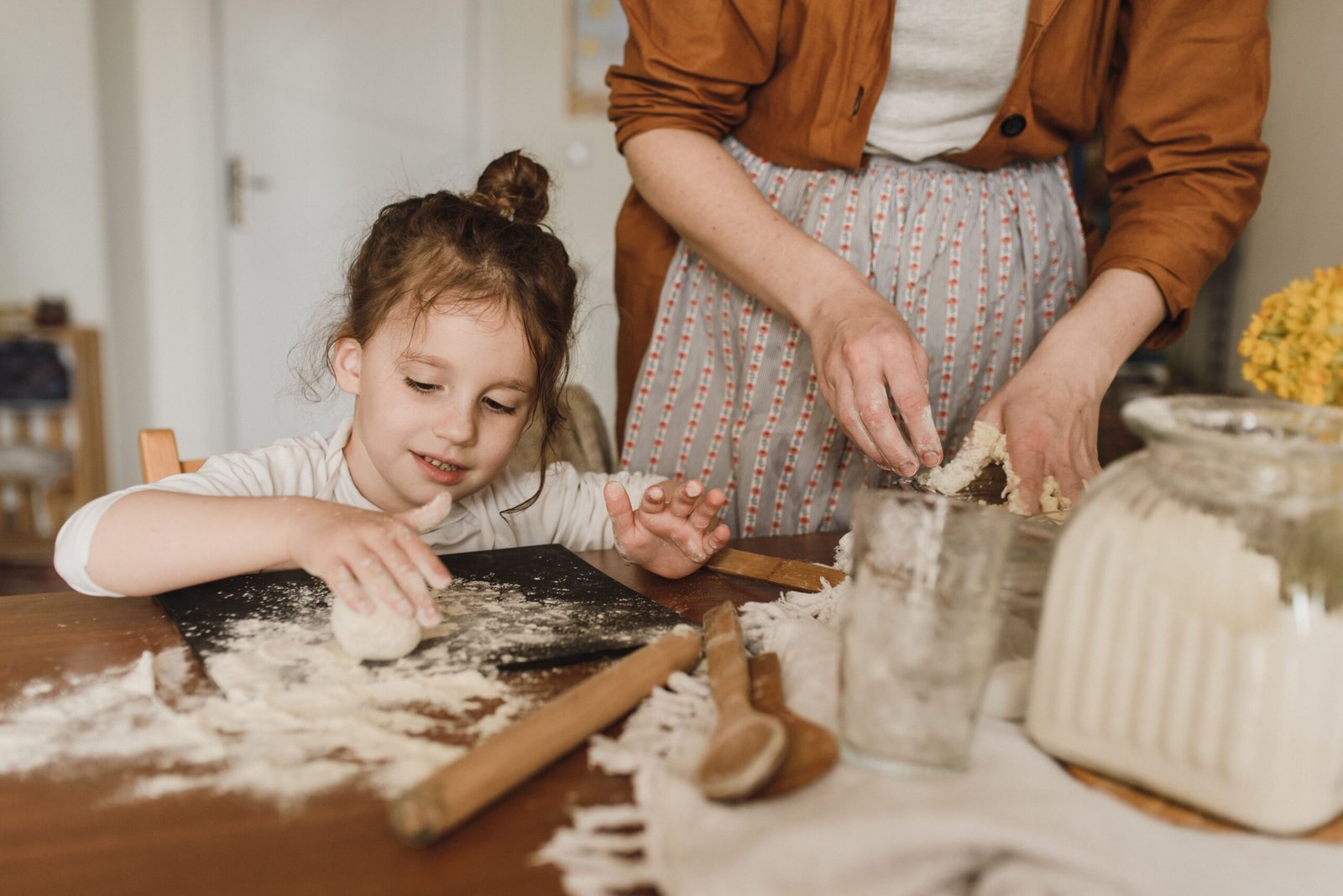
- Play dough on the kitchen table — simple homemade dough (flour, salt, water) entertains for long stretches
- A new book placed on their shelf that morning — novelty is engaging; a book they have not seen before will occupy them
- A cardboard box — seriously. A large cardboard box with a crayon is entertainment for 20 minutes minimum
💛 Parent Secret: The activities that buy the most time are ones that involve the hands. Anything tactile — water, rice, dough, sand, small objects — engages the sensorial brain and creates flow states. This is exactly what Montessori sensorial materials are designed to do.
For the Whole Morning or Afternoon
These are the deeper alternatives — activities that can fill an entire block of time when the goal is genuine, rich engagement:
The Montessori Solution: A Screen-Free Shelf That Works
One of the most practical things you can do to reduce screen time at home is to set up a Montessori-inspired activity shelf — a low, open shelf with a small, rotating selection of activities your child can access independently.
Here is why it works so well: the biggest reason parents reach for screens is not laziness or lack of creativity. It is that the child comes to them saying ‘I am bored, I do not know what to do.’ A well-prepared shelf answers that question before it is asked.
When your child wakes up and goes to their shelf, they see five or six clearly presented activities. They make a choice. They take it to a mat or table. They work. They put it back. No adult direction needed.
What to put on the shelf — rotate these weekly:
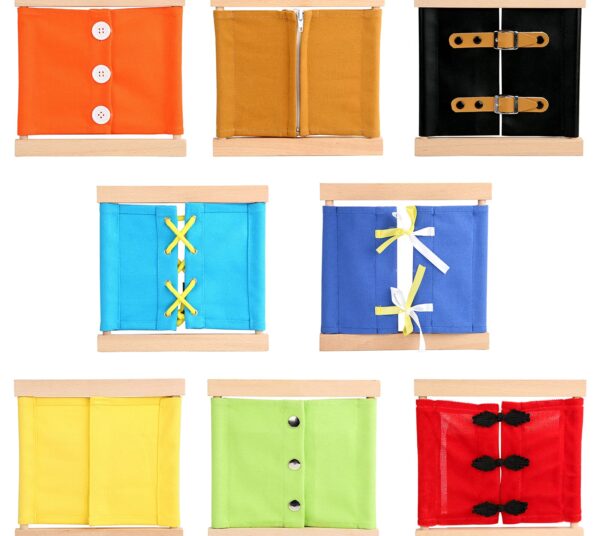
- One fine motor activity — threading, lacing, sorting, transferring
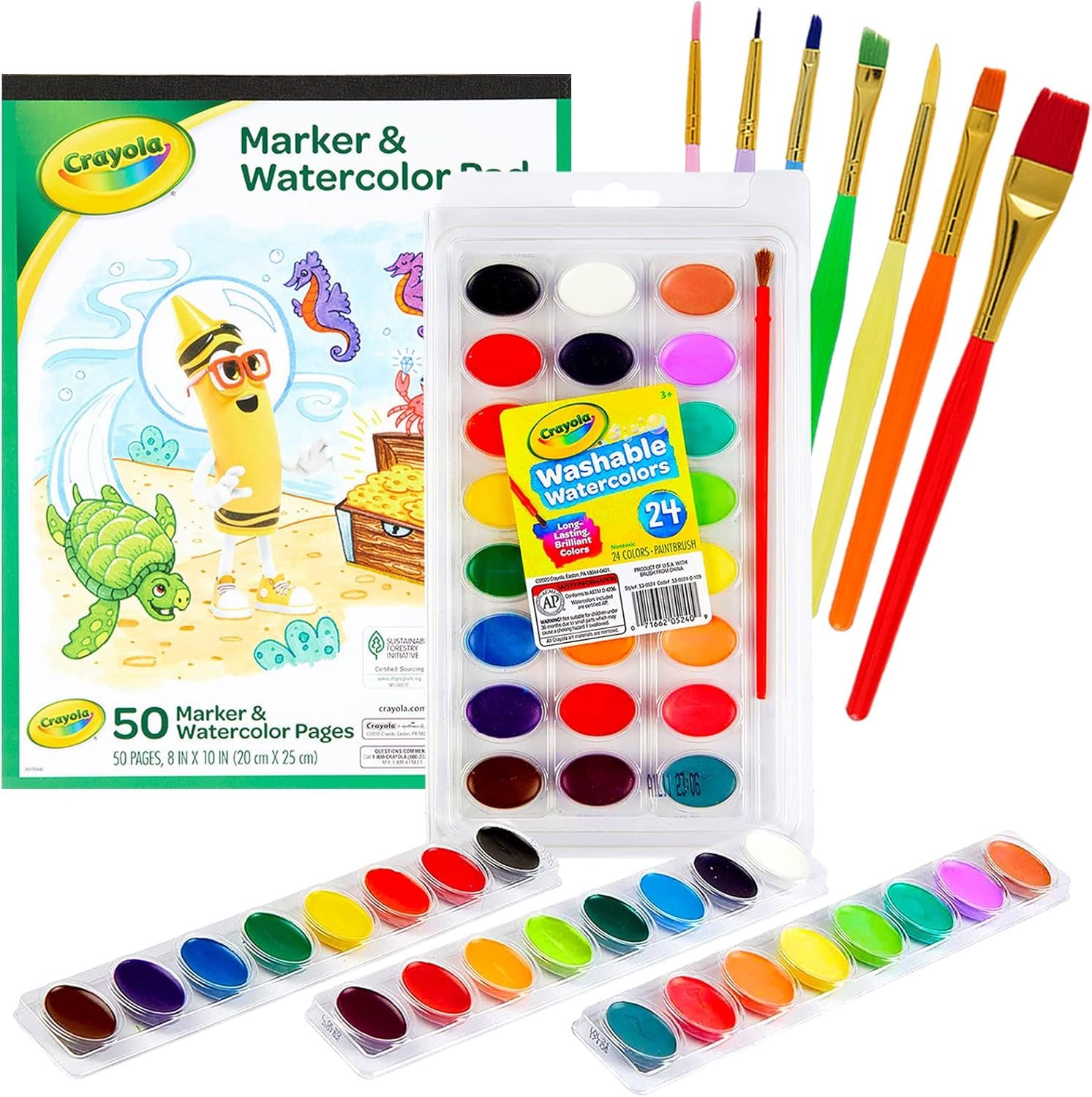
- One creative activity — drawing materials, play dough, simple collage
- One sensorial activity — a puzzle, matching cards, a texture tray
- One practical life activity — a simple household task set up as an activity
- One open-ended material — blocks, loose parts, small world figures
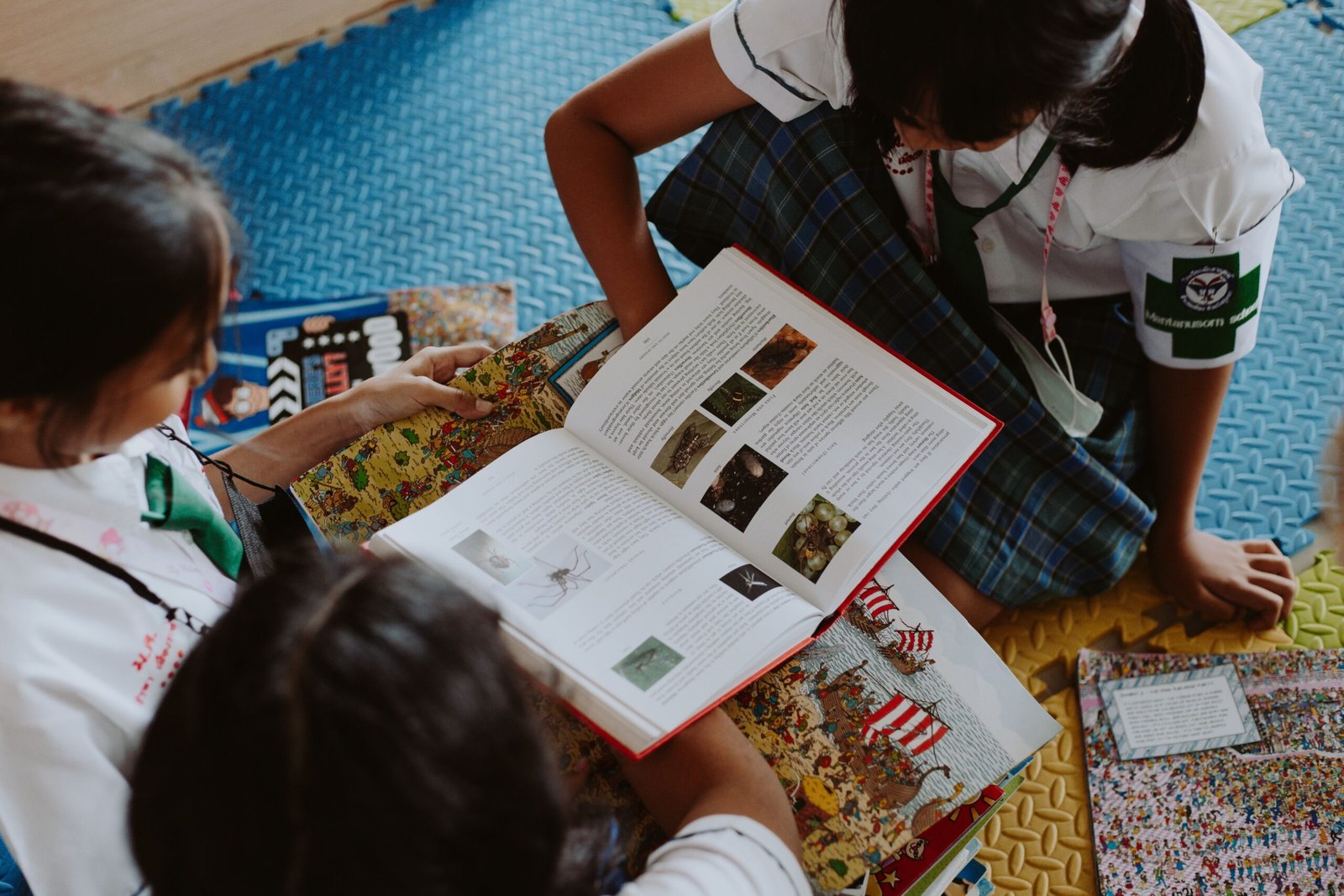
- Two or three books — changed regularly to maintain interest
💡 The Key: Fewer items on the shelf, not more. Five activities that are carefully chosen and clearly presented will engage your child far longer than twenty toys tumbling out of a box. Montessori understood that abundance overwhelms while simplicity invites.
Check our Kids Toy Storage Organizer Book Shelf
🛒 Shop Screen-Free Materials: All materials above are available at kiransaifmontessori.com— authentic, non-toxic, and designed to provide the deep, hands-on engagement that developing brains need and that screens simply cannot replicate.
A Practical Plan for Reducing Screen Time — Starting This Week
If your toddler’s screen time is currently higher than you would like, here is a calm, gradual plan for reducing it without tantrums, battles, or guilt:
Week 1 — Observe without changing anything
Before reducing screens, spend one week simply noticing when and why screens appear in your day. Is it morning transition? After nursery? During meal preparation? Understanding the trigger helps you prepare the replacement.
Week 2 — Replace one screen session with an activity
Choose the easiest screen session to replace — often the mid-morning one. Set up a simple activity on the table before the usual screen time arrives. Do not announce that screens are being reduced. Just offer the activity instead. See what happens.
Week 3 — Set up the shelf
Spend 20 minutes setting up a low shelf with 5 rotating activities. Introduce your child to it calmly. Show them how each activity works. Then step back and let them choose. This alone will dramatically reduce the demand for screens.
Week 4 — Establish clear screen time boundaries
Once natural replacements are in place, establish a simple, consistent rule — for example, screens after outdoor time and after lunch, for 30 minutes, with a visual timer. Consistent limits are far easier for toddlers to accept than arbitrary ones.
💛 Most Important of All: Go slowly. A toddler who has had significant screen time cannot transition to none overnight without distress. Gradual reduction, consistent replacement, and enormous patience are the ingredients. You are building new habits, not just removing old ones.
Montessori Materials That Replace Screen Time Beautifully
If you are looking to build a screen-free home environment with purposeful, engaging materials, these are our top recommendations from KS Montessori — all designed to absorb children’s attention through genuine, hands-on learning:
For Deep, Independent Focus
- Colorful Constructive Triangles . — Open-ended geometric construction that children return to again and again. Building shapes from triangles is endlessly variable and deeply satisfying for ages 3-6.
- Dino & Ocean Sensory Bin – This isn’t just a toy, it’s a gateway to a world of endless imagination and fun! Our Dino & Ocean Sensory Sand Playset lets kids explore both the prehistoric and the underwater, creating their own exciting worlds with colorful sand, amazing creatures, and a ton of accessories.
- Lower and Capital Case Sandpaper Letters – the cards can be used to form simple words, enhancing language comprehension and spelling skills, while laying a strong foundation for phonics and reading.
- Kids Map Bilingual United States – Educational talking map great for children studying in both English and Spanish. The stylus is applicable in all Qiaojoy products; Supporting personalized start-up sound; Supporting recording: kids can use recording function to tell stories, sing songs etc. Imaginatively and interactively design kids own creative world!
- Spin-and-Read Montessori Phonetic Reading Blocks – Rotating wooden letter blocks create 60+ 3-letter words. Each of the 5 wooden rods features one vowel and a set of consonants that rotate. Along with our animal alphabet letter sounds guide children will see how easy and quick it is to read with this fun spinning phonics toy.
Questions Parents Ask Most Often
Conclusion: Your Child's Brain Deserves the Real World
Screens are not going away. They are woven into modern life, and pretending otherwise helps nobody. What we can do — what you are already doing by reading this — is make thoughtful, informed decisions about how they fit into our children’s lives.
The research is clear enough: small brains in the years from birth to six need real experiences. They need to touch things, smell things, move their bodies, have conversations, make mistakes, experience boredom, create something with their hands, and feel the weight of the world around them. Screens, at their best, are a supplement to that world. At their worst, they replace it.
You do not need to be a perfect screen-free parent. You need to be an aware one — aware of what your child’s brain needs, aware of what fills those needs, and aware of when a screen is a genuine choice and when it is a default.
The Montessori materials and activities in this guide are not presented as the only alternatives to screens. They are presented as proof that when children have access to purposeful, beautiful, hands-on engagement — they choose it. Not every time. But most of the time.
And most of the time is enough.
Explore our range of Montessori materials at KS Montessori — designed to give your child’s brain exactly what it needs, and to make screen-free time something your child looks forward to, not something they resist.
Shop Montessori screen-free materials: kiransaifmontessori.com
Written for kiransaifmontessori.com

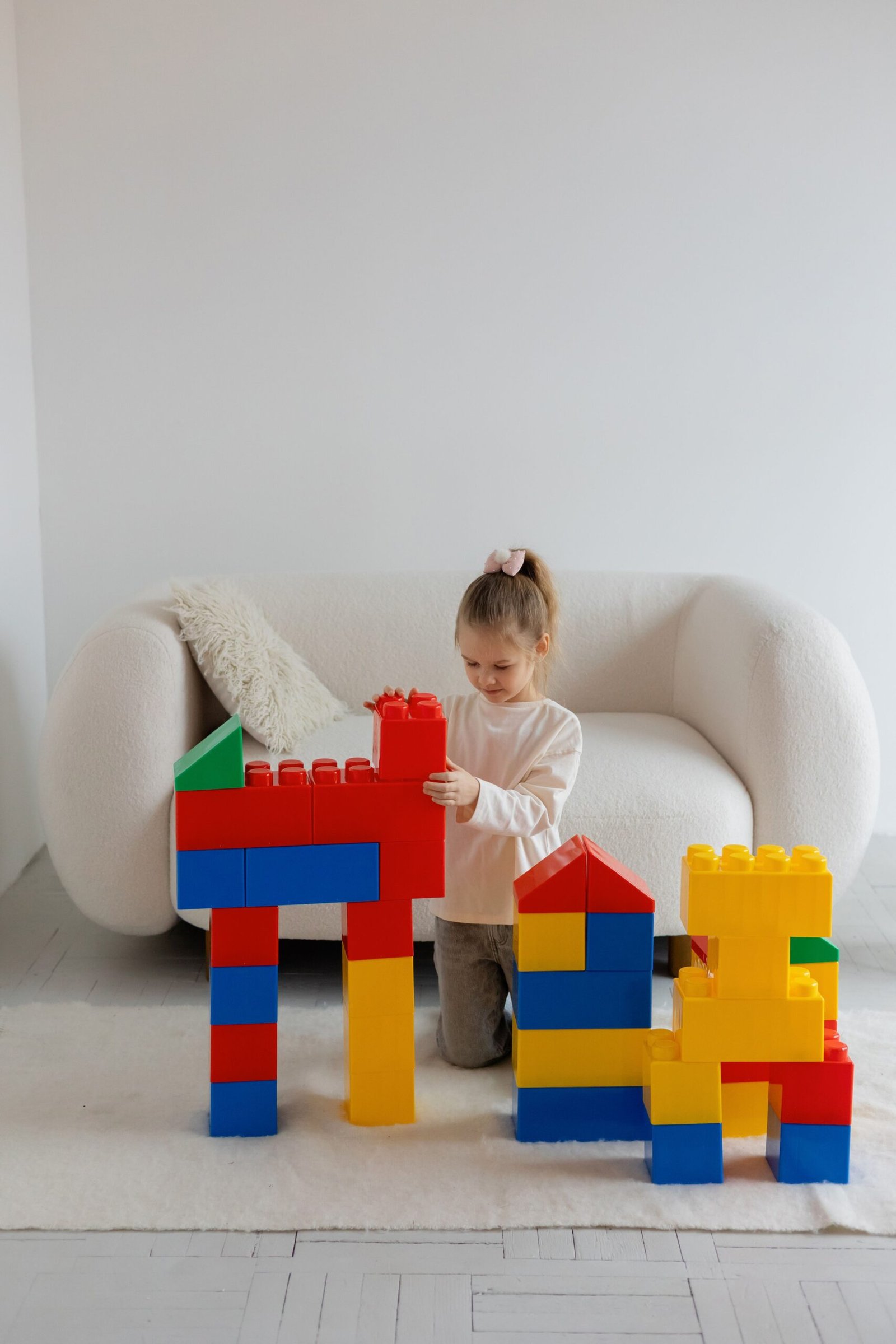
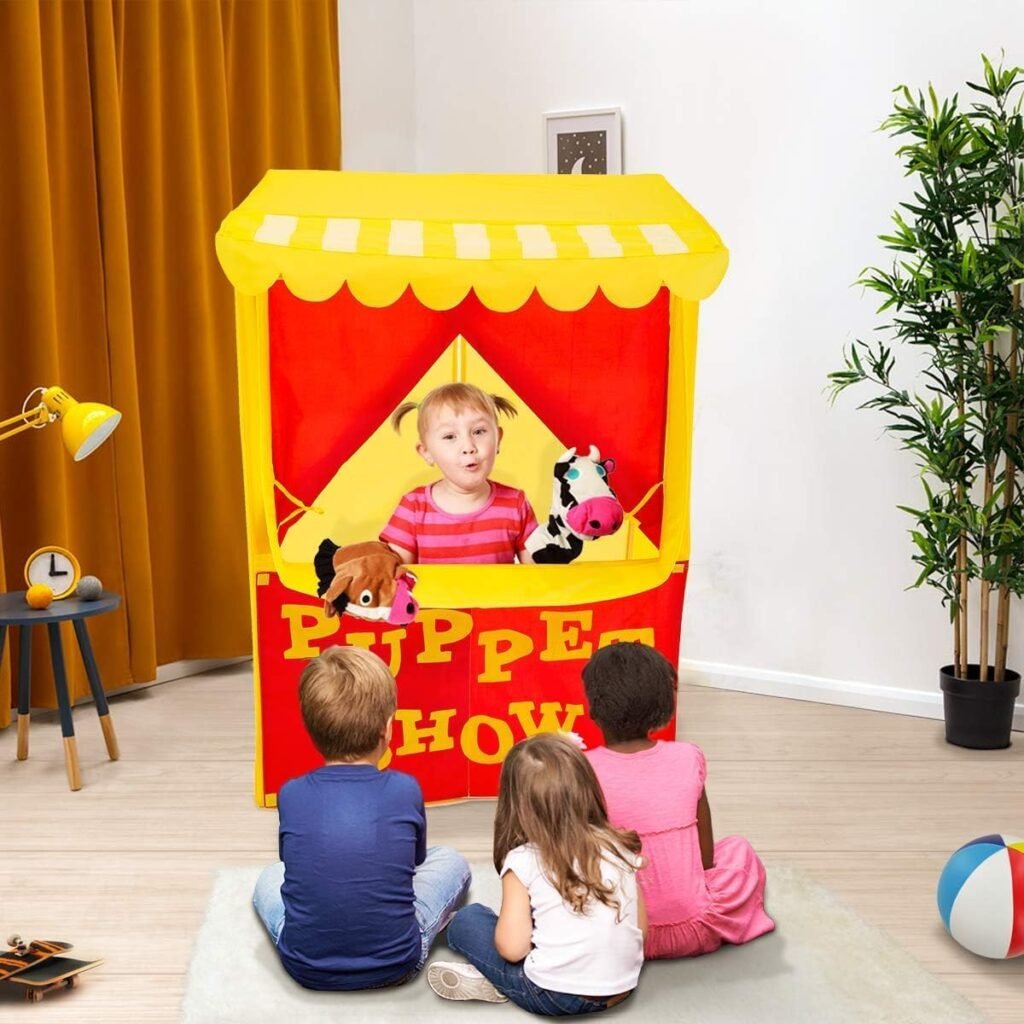
 Pretend Play and Small World Play | 18 months+