How to Create a Montessori-Inspired Home Education Environment
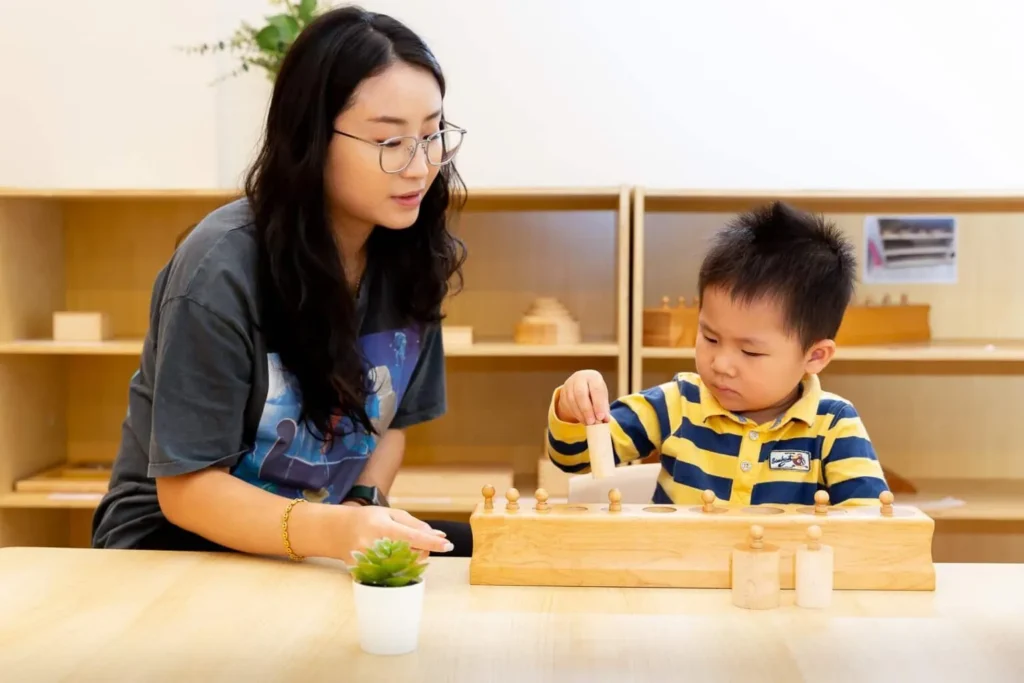
You don’t need to enroll your child in a Montessori school to give them a Montessori education. Some of the most powerful Montessori learning happens not in a classroom, but at home — in the kitchen, in the bedroom, in the garden, in the simple rhythms of daily family life. Creating a Montessori-inspired home environment is not about buying expensive materials or redesigning every room. It is about a shift in perspective — seeing your home through your child’s eyes and asking: does this space help my child feel capable, independent, and respected? In this blog post, we walk you through the core principles of a Montessori home environment and give you practical, room-by-room guidance on how to bring those principles to life — whatever your budget, whatever your space. The Core Principles of a Montessori Home Before we get into the practicalities, it helps to understand the philosophy behind the Montessori home environment. Dr. Maria Montessori spoke often about the prepared environment — a space consciously arranged to support the child’s independence, development, and natural curiosity. Every element of that environment sends a message to the child. The question is: what message do we want to send? A Montessori home environment is guided by five core principles: Independence The environment is arranged so that the child can do as much as possible for themselves — without waiting for adult help. Low shelves, child-sized furniture, accessible materials, and reachable hooks all say to the child: you are capable; this is your space too. Order Young children thrive on order. It is not simply a preference — it is a developmental need. During the sensitive period for order (roughly ages one to three), children find deep comfort and security in a predictable, well-organised environment. In a Montessori home, everything has a place, and that place is consistent. Beauty and Simplicity A Montessori environment is beautiful but uncluttered. Rather than overwhelming the child with dozens of toys and stimuli, the Montessori home offers fewer, more carefully chosen materials — each one worthy of the child’s attention. Natural materials, soft colours, and real objects are preferred over plastic and synthetic alternatives.One of the best choice for this beautiful experience is Ks montessorri kitchen set Freedom Within Limits Children are free to explore, choose their activities, and move through the home — within clear, consistent boundaries. The environment itself defines those limits, so the adult does not need to be constantly redirecting or correcting. A well-prepared home environment reduces conflict and increases harmony. Adena Montessori Color Tablets provide a learning and joyful environmet for kids at home. Connection to Real Life Montessori children are not kept separate from the real work of the household. They participate in cooking, cleaning, caring for plants and animals, and managing their own belongings. This participation is not a burden — it is a profound source of purpose, competence, and belonging. Room by Room: Setting Up Your Montessori Home The Child’s Bedroom The bedroom is the child’s most personal space — and the place where independence begins each morning and ends each night. A few thoughtful adjustments can transform it into a true Montessori sanctuary. The Floor Bed One of the most distinctive features of a Montessori bedroom is the floor bed — a mattress placed directly on the floor, or a very low bed frame, so the child can get in and out independently from the earliest months of life. Rather than being lifted in and out of a cot by an adult, the child develops autonomy over their own sleep space from the very beginning. This is not only about independence — it also gives the child the freedom to explore their room safely during the natural moments of wakefulness that occur throughout the night, without distress or danger. A Low, Open Wardrobe Hanging clothes and folded items at the child’s eye level and reach allows them to choose their own outfit and dress themselves — a practical life milestone that builds confidence, fine motor skills, and a sense of personal identity. Limit the choices to two or three options per day to make decision-making manageable The Kitchen The kitchen is arguably the richest Montessori learning environment in the home — and one that most families have never thought of this way. Cooking involves maths, science, language, practical life skills, sensorial exploration, and above all, the deep satisfaction of contributing to family life. A Learning Tower or Step Stool A sturdy step stool or learning tower brings the child to counter height, allowing them to participate safely in food preparation alongside an adult. Even a two-year-old can wash vegetables, tear salad leaves, stir batter, or pour water — all meaningful, developmentally rich tasks. A Low Snack Station Dedicate a low shelf or drawer in the kitchen to the child’s snacks and drinking water. A small pitcher, a glass, a plate, and a few healthy snack options allow the child to serve themselves independently when they are hungry — building body awareness, self-regulation, and confidence. Child-Sized Real Tools Invest in a small set of real — not plastic — child-sized kitchen tools: a blunt spreading knife, a vegetable peeler, a small chopping board, a grater. Children know the difference between real and pretend, and real tools communicate trust and respect. Used under appropriate supervision, they are safe and deeply satisfying. A Place for Cleaning Up Keep a small dustpan and brush, a child-height mop, and a cloth at accessible levels. Spills are learning opportunities — and a child who can clean up after themselves feels enormously capable. Resist the urge to swoop in and clean for them. The Living and Play Area The main living space of the home is where much of the child’s free exploration and play will take place. The Montessori approach transforms this area from a place where the child plays while adults watch, into a shared space where the child is a genuine participant. The Yes Space