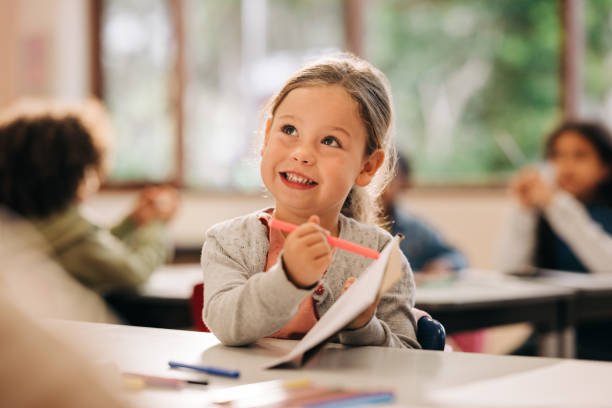
A Complete School Readiness Guide for Parents — With Checklist, Tips, and the Montessori Approach
By Kiran Saif | Certified Montessori Educator | kiransaifmontessori.com
The school bag is bought, uniform is ready and the name labels are sewn in. And somewhere between the excitement of the new pencil case and the quiet of the evening, a question surfaces that almost every parent of a nearly-five-year-old carries: is my child actually ready for this?
Not ready in the sense of having the right stationery. Ready in the sense that matters — emotionally, socially, academically, practically. Ready to sit in a group, to follow instructions from an unfamiliar adult, to manage their own lunchbox, to handle the feelings that come with a new and demanding environment.
This guide answers that question thoroughly and honestly. As a certified Montessori educator who has prepared hundreds of children for the school transition, I can tell you this: the skills that matter most before school are not the ones most parents worry about. And the skills most parents overlook are the ones that make the biggest difference on day one.
Let us go through all of them — with practical signs of readiness, tips for building each skill at home, and the honest reassurance that most five-year-olds are more ready than their parents believe.
Before We Begin — A Word About Readiness
School readiness is not a fixed checklist that your child either passes or fails. It is a profile — a collection of developing skills, some stronger than others, that together give a child the foundations to thrive in a school environment.
No five-year-old arrives at school with every skill perfectly in place. That is not the expectation — and if any teacher or school suggests it is, they have misunderstood child development. The expectation is that your child has enough foundation across enough areas to begin — and that the school environment will continue to build on that foundation.
💛 The Most Reassuring Truth: Research consistently shows that a child’s readiness to learn is more important than what they already know. A curious, confident, emotionally regulated five-year-old who cannot yet read will outperform an anxious, academically drilled child who can recite letters but struggles to manage their feelings in a group setting.
The 8 Key Skill Areas — What Schools Actually Look For
💬 1. Language and Communication Skills
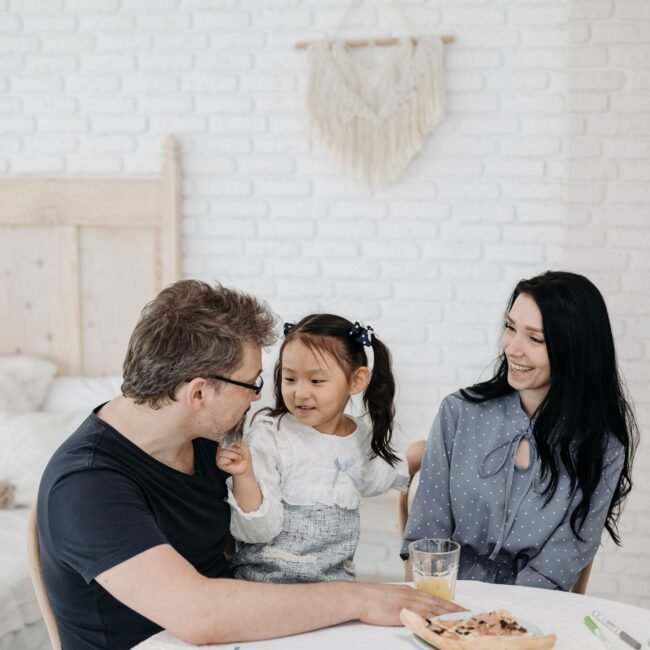
The ability to communicate — to express needs clearly, to listen and follow instructions, to ask for help when confused — is perhaps the single most important school readiness skill there is. A child who cannot yet say ‘I don’t understand’ or ‘I need to use the toilet’ will struggle regardless of their academic ability. Communication is the tool through which everything else in a classroom happens.
Signs of readiness: Can speak in full sentences of 5+ words. Asks questions. Answers questions about a story. Can tell an adult what they need. Listens when spoken to and waits their turn in a conversation.
How to help at home: Talk with your child constantly — at mealtimes, on walks, during play. Ask open questions: ‘What do you think will happen next?’ Read aloud every day and discuss the story. Play ‘show and tell’ at home so they practise speaking to an audience.
😊 2. Emotional Regulation — Managing Big Feelings
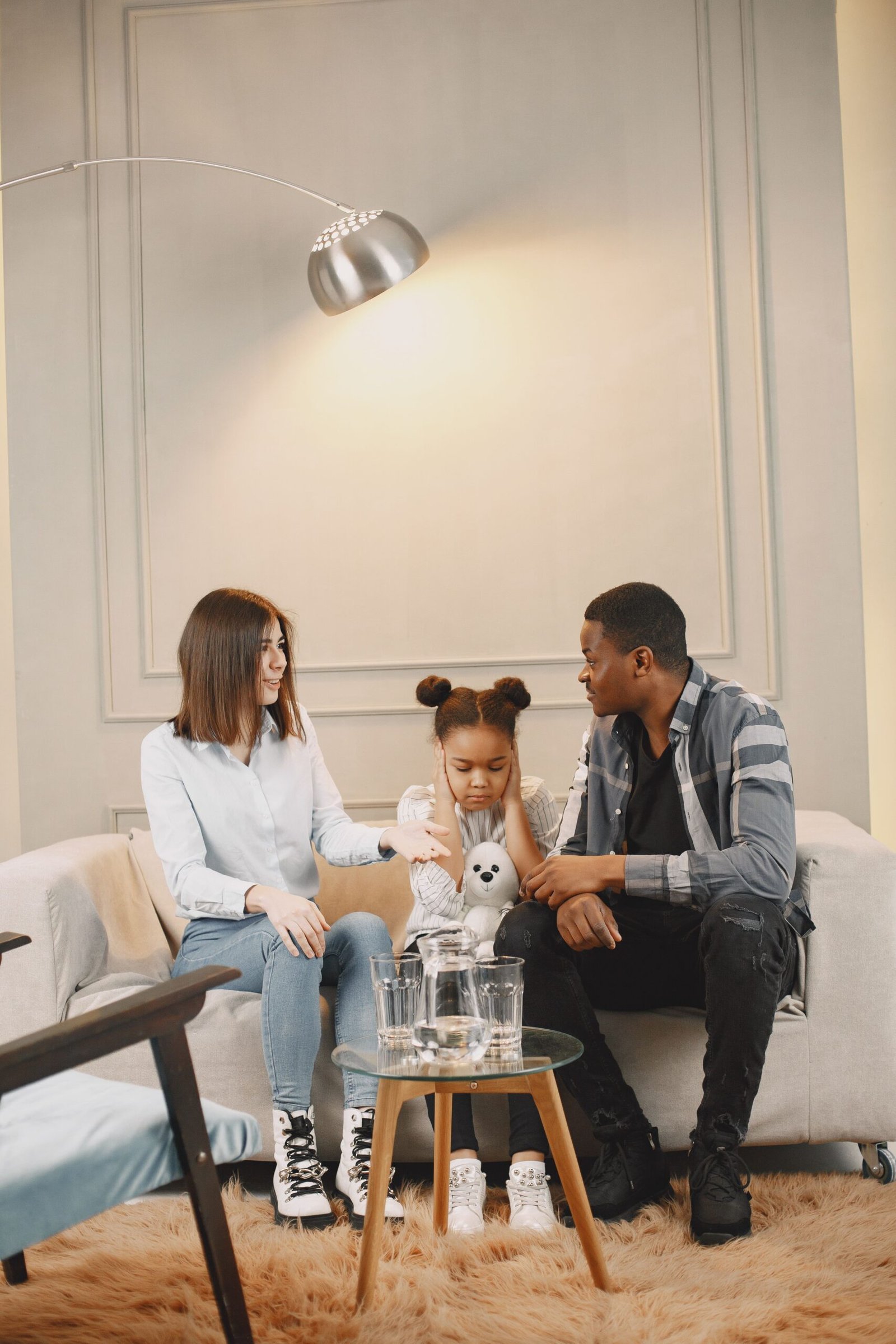
This is the skill most parents underestimate and most teachers desperately wish more children arrived with. A classroom of twenty-five five-year-olds is a high-stimulation, high-demand environment. Children who can manage frustration, wait their turn without melting down, recover from disappointment, and express their feelings in words rather than actions will have a dramatically easier first year than those who cannot.
Signs of readiness: Can wait for a few minutes without becoming distressed. Recovers from upsets within a reasonable time. Can say ‘I am angry’ or ‘I am sad’ instead of immediately hitting or crying. Accepts ‘no’ without a prolonged meltdown most of the time.
How to help at home: Name emotions in daily life: ‘You look frustrated. That puzzle is tricky, isn’t it?’ Validate feelings before solving problems. Read books about characters who experience and manage big emotions. Practice the pause — ‘Let’s take three big breaths’ — so it becomes a familiar strategy.
👥 3. Social Skills — Getting Along with Others
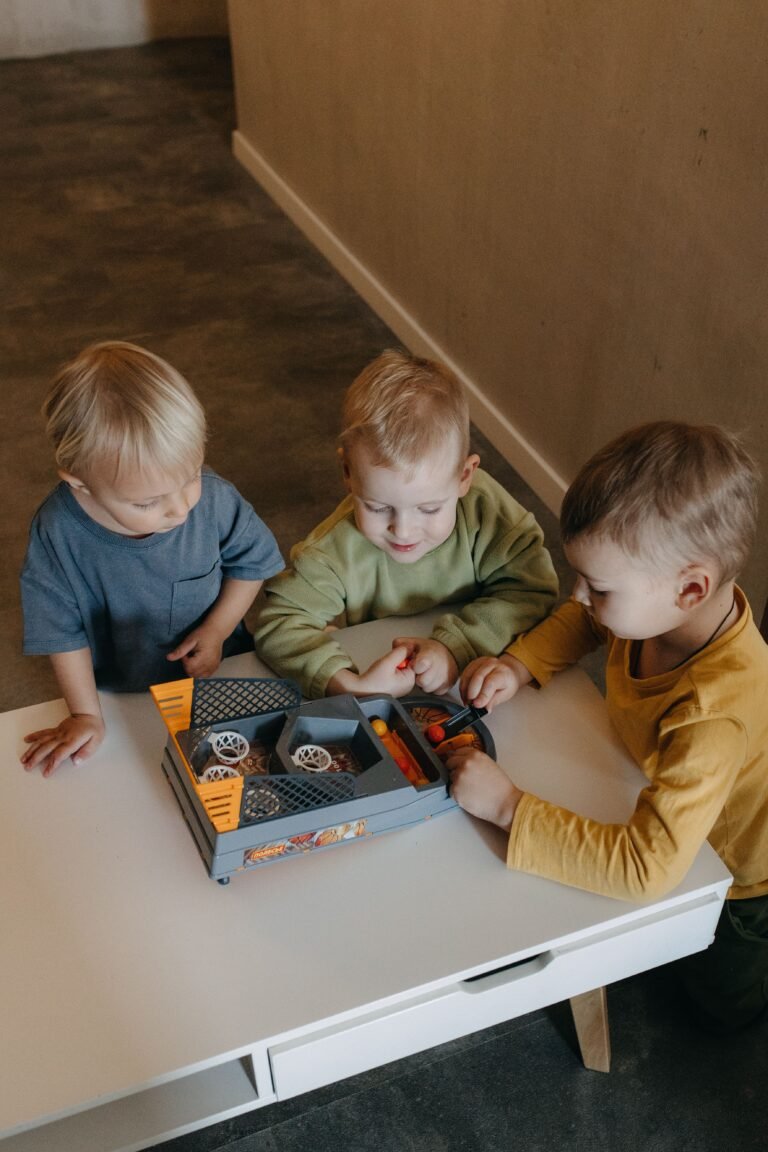
For most children, school is the first environment in which they must navigate a large group of peers without a parent nearby. The social demands are significant: taking turns, sharing resources, joining a group already at play, resolving disagreements, following group rules, and making and maintaining friendships. These skills are built over years of social experience — not drilled in the weeks before school starts.
Signs of readiness: Can play cooperatively with at least one other child. Takes turns without major conflict. Can say ‘can I play?’ and accept ‘not right now’ without falling apart. Understands basic rules of a group game. Can disagree without becoming aggressive.
How to help at home: Arrange regular playdates with same-age peers before school starts. Let children resolve minor conflicts without adult intervention — they need practise. Enrol in a group activity — swimming, gymnastics, art class — where following group instruction is practised in a safe environment.
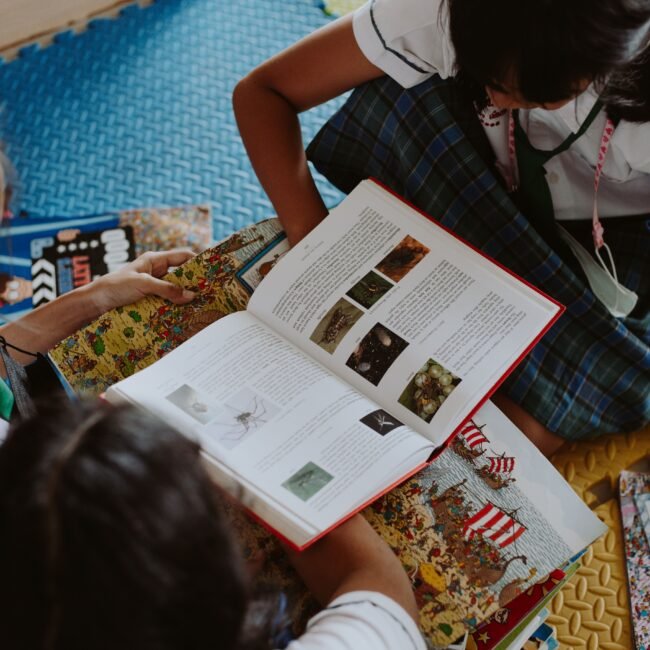
🖊️ 4. Early Literacy — Language Foundations for Reading
Here is what many parents get wrong: reading readiness is not about knowing the alphabet by rote or being able to spell your name. It is about phonemic awareness — the ability to hear individual sounds within words. A child who can hear that ‘cat’ has three sounds (c-a-t), who knows that ‘ball’ and ‘bat’ start with the same sound, who can clap the syllables in their name — that child is genuinely ready for reading instruction. A child who can recite A-Z but has no phonemic awareness is not.
Signs of readiness: Recognises their own name in writing. Shows interest in books and print in the environment. Can hear and produce rhymes. Can clap syllables in simple words. Knows some letter sounds (not necessarily letter names). Holds a book correctly and understands that print is read left to right.
How to help at home: Read aloud every day — this is the single highest-impact literacy activity. Sing nursery rhymes and play rhyming games. Use Sandpaper Letters to introduce letter sounds through touch. Play ‘I spy’ with sounds: ‘I spy something beginning with sss.’ Make reading physical and joyful, not academic and pressured.
🔢 5. Early Numeracy — Number Sense
Just as reading readiness is about understanding sounds rather than reciting letters, maths readiness is about number sense rather than counting by rote. Number sense means understanding that the number five represents five real objects, that five is more than three and less than seven, that when you add one more to four you get five. This concrete, meaningful understanding of quantity is what Montessori maths materials build directly — and it is worth far more than the ability to count to 100 without meaning.
Signs of readiness: Counts with one-to-one correspondence up to 10 (touches each object as they count). Understands more and less. Recognises numbers 1-5 at least. Can sort objects by size, colour, or shape. Understands concepts like first, last, biggest, smallest.
How to help at home: Count everything in real life — stairs, grapes, socks, steps to the park. Use Montessori Number Rods and Counter Cards to make quantity physical and real. Play simple board games that involve counting moves. Avoid number worksheets — use real objects instead.
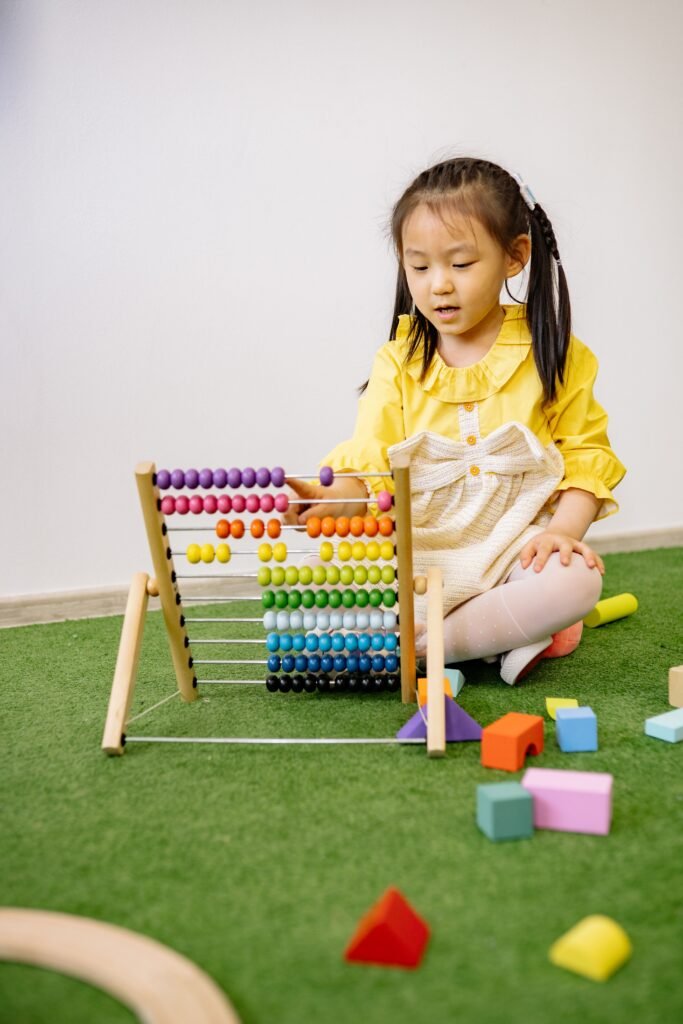
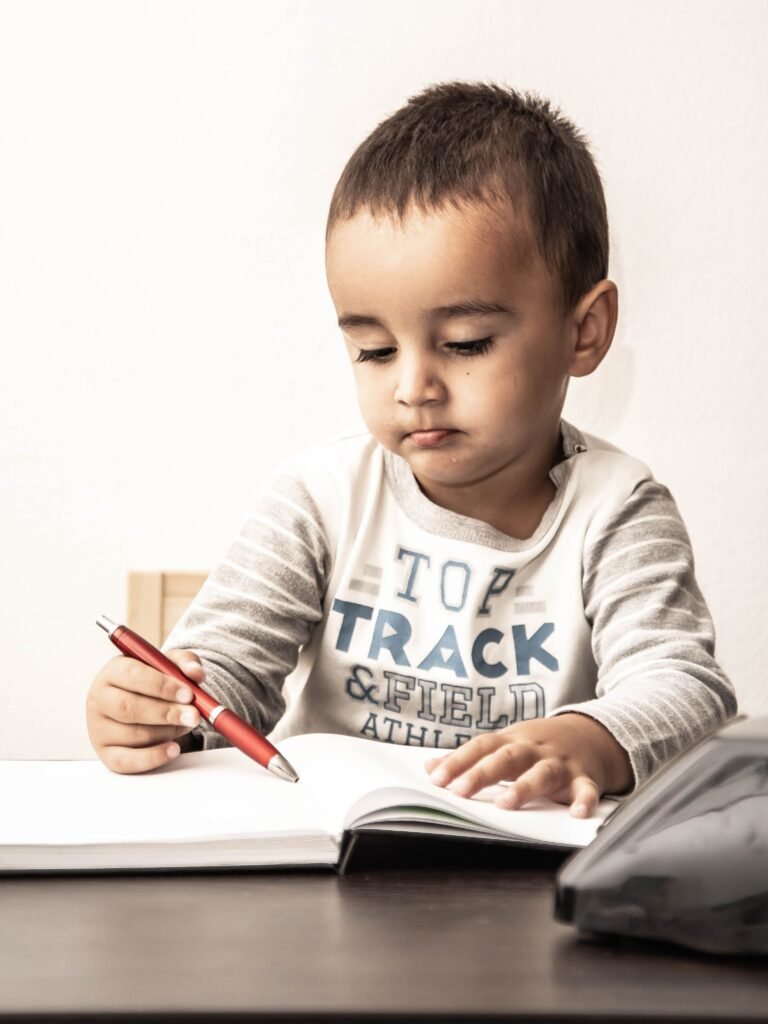
✏️ 6. Fine Motor Skills — The Hand That Writes
Writing is one of the most physically demanding tasks asked of a young child — it requires core strength (to sit upright), shoulder stability, wrist control, and a refined three-finger grip, all working together simultaneously. Many children begin school without the physical readiness for writing, and the result is frustration, avoidance, and poor handwriting habits that take years to correct. Building hand strength and pencil control before school starts is one of the most practical things parents can do.
Signs of readiness: Uses a three-finger (pincer) grip on a pencil or crayon. Can draw a recognisable person with a head, body, and limbs. Cuts along a simple line with scissors. Manages buttons, zips, and fastenings on their own clothing. Can thread large beads. Colours within a rough boundary.
How to help at home: Provide daily fine motor activities — threading, lacing, playdough, cutting, painting, pouring. Use Metal Insets for pencil control. Encourage self-dressing every day — this builds the same hand control as writing. Avoid writing worksheets before the hand is physically ready.
🎒 7. Independence and Self-Care Skills
A classroom teacher with twenty-five children cannot help every child open their lunchbox, put on their shoes, manage their water bottle, or find their belongings. A child who can manage their own basic physical needs independently is a child who can focus on learning rather than struggling with logistics. Self-care independence is one of the most practical and underrated school readiness skills — and it is almost entirely within your control to develop at home.
Signs of readiness: Can dress and undress independently, including fastenings. Use the toilet independently and manage their own hygiene, open and close their lunchbox and manage their own food, put on and take off their own shoes. Responsibly, find and manage their own belongings and carry their own school bag.
How to help at home: Start building independence now — every task your child can do for themselves should be theirs to do. Set aside extra time in the morning so they can dress themselves without rushing. Practice opening lunchboxes and drink bottles. Assign them responsibility for their own belongings every day.
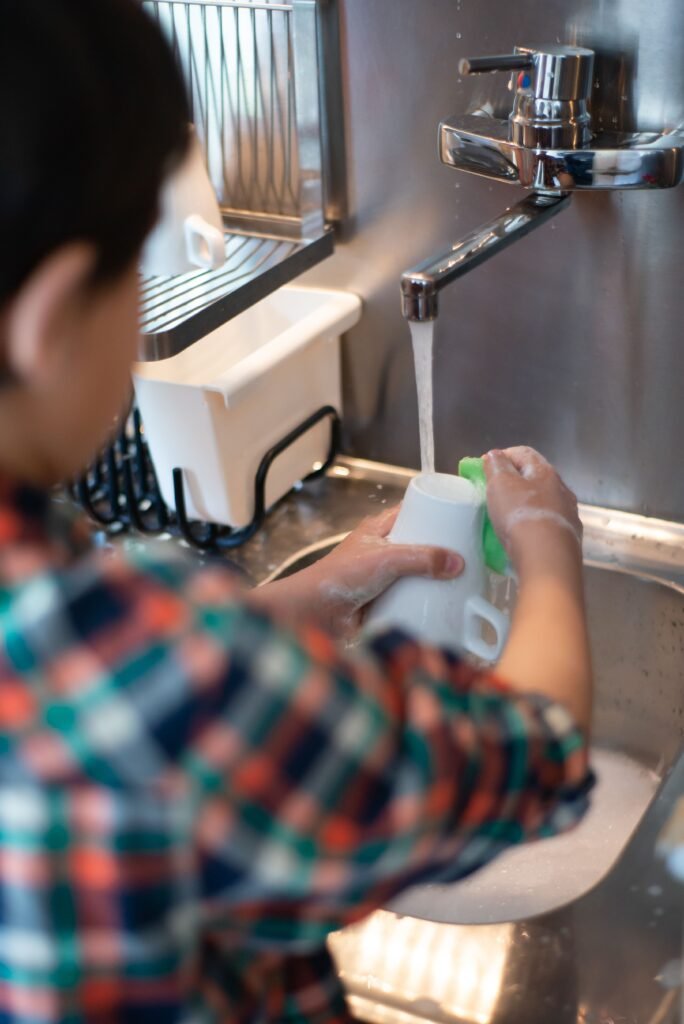
🧠 8. Attention and the Ability to Follow Instructions
A child entering school needs to be able to sit and listen to an adult for at least 5 to 10 minutes, follow a two or three-step instruction, stay on a task until it is complete, and transition between activities without significant distress. This does not mean sitting perfectly still — movement is still important and good schools accommodate it. But the ability to direct attention deliberately and sustain it for short periods is essential for classroom learning.
Signs of readiness: Can listen to a story of 10+ minutes without wandering off, follow two or three-step instructions: ‘Put your bag on the hook, wash your hands, and come and sit down, stay on a chosen activity for at least 10 minutes. Welcome transition between activities without major upset when given a warning.
How to help at home: Read longer books together. Give multi-step instructions in daily routines: ‘After you wash your hands, please set the table and then come and choose your book.’ Play games that require listening — Simon Says, musical chairs, I Spy. Montessori materials build concentration naturally through self-directed, absorbing work
School Readiness Checklist — Is My Child Ready?
Use this quick reference to see where your child is right now. Remember — this is a guide, not a pass or fail test. Every child is stronger in some areas than others:
|
Skill Area |
Ready ✅ |
Still Growing 🌱 |
|
Language |
✅ Speaks clearly in sentences, asks for help |
🌱 Needs support expressing needs |
|
Emotional Regulation |
✅ Recovers from upsets, names feelings |
🌱 Frequent long meltdowns, difficulty waiting |
|
Social Skills |
✅ Plays with peers, takes turns |
🌱 Struggles in group settings, avoids peers |
|
Early Literacy |
✅ Hears rhymes, knows some sounds |
🌱 No interest in books or print |
|
Early Numeracy |
✅ Counts objects 1-10, understands more/less |
🌱 No one-to-one correspondence yet |
|
Fine Motor |
✅ Pincer grip, cuts, draws a person |
🌱 Avoids pencils, weak grip |
|
Independence |
✅ Dresses self, manages lunchbox |
🌱 Needs adult help for most self-care |
|
Attention |
✅ Listens 10 mins, follows 2-step instructions |
🌱 Cannot sustain focus, struggles to listen |
💡 How to Use This Checklist: If your child is in the ‘Still Growing’ column for 1-2 areas, focus your energy there in the months before school. If they are in ‘Still Growing’ for 4 or more areas, a conversation with your paediatrician or an early childhood specialist would be worthwhile — not because something is wrong, but because early support makes an enormous difference.
What Your Child Does NOT Need to Know Before School
This section might be the most relieving thing you read today. Many parents spend enormous energy drilling academic content in the months before school — and most of it is not only unnecessary but can actually be counterproductive.
Your child does NOT need to:
- Read before starting school — learning to read is what school is for
- Write their full name perfectly — recognising their name and making a reasonable attempt is enough
- Know all 26 letters of the alphabet by name — letter sounds matter far more than letter names
- Count to 100 — counting meaningfully to 10 with real objects is more valuable
- Know how to sit perfectly still for long periods — five-year-olds are not designed for this
- Have no fears or worries about school — some nervousness is healthy and normal
- Know how to read a clock, tell the time, or write numbers
- Have perfect behaviour all the time — they are five
💛 The Honest Truth: A child who arrives at school having been drilled on letters and numbers but who cannot manage their emotions, make a friend, or handle the toilet independently will struggle far more than a child who cannot yet read a single word but who is curious, confident, kind, and capable of looking after themselves.
How the Montessori Approach Prepares Children for School
The Montessori method was not designed to produce academic results. It was designed to produce whole human beings — curious, capable, self-directed, emotionally regulated, and genuinely in love with learning. As a side effect of that goal, Montessori-prepared children tend to arrive at school extraordinarily well-equipped.
Here is why:
Independence is built into everything
In a Montessori environment, children do things for themselves from the very beginning — choosing their own work, carrying their own materials, cleaning up after themselves, managing their own belongings. By the time a Montessori-prepared child arrives at school, independence is not a new skill. It is their normal.
Concentration is developed through self-directed work
The Montessori three-hour work period — uninterrupted time for self-chosen, focused activity — develops a quality of attention that traditional preschool environments rarely match. Children who have spent years choosing their own work and following it to completion arrive at school able to focus in a way that genuinely surprises teachers.
Social skills are built in a mixed-age community
Montessori classrooms group children of different ages together — typically 3 to 6 years in one class. Younger children learn from older ones. Older children build empathy and leadership by supporting younger ones. The social complexity of this environment is far richer than a same-age peer group, and children arrive at school with sophisticated social skills as a result.
Emotional regulation is modelled and practised
The Montessori approach to behaviour — freedom within limits, natural consequences, connection before correction — gives children years of experience managing their own impulses and feelings within a supportive structure. These children arrive at school not without big emotions, but with more tools to manage them.
The love of learning is protected
Perhaps most importantly, a Montessori-prepared child arrives at school still in love with learning. They have not been drilled, tested, or pressured. They have been invited, supported, and trusted. That relationship with learning — curious, confident, intrinsically motivated — is the most valuable thing any child can carry through a school door.
How to Prepare Your Child for School at Home — Starting Today
You do not need a Montessori classroom to give your child excellent school preparation. Here is what you can do at home, in the months before school starts, that will make the biggest difference:
Build the morning routine now
Start practising the school morning routine weeks before the first day. Wake up at school time. Get dressed independently. Eat breakfast. Pack the bag. Walk or drive the route. Familiarity with the routine reduces anxiety enormously — for both of you.
Visit the school before day one
If your school allows it, visit the classroom, meet the teacher, walk the route from the gate to the classroom, find the toilets. Every piece of the unknown that becomes familiar before day one is one less source of anxiety on the day itself.
Talk about school positively and honestly
Children pick up on parental anxiety instantly. If you are nervous, they will be nervous. Talk about school with genuine warmth and calm interest. Answer their questions honestly. Acknowledge that new things can feel scary and exciting at the same time — that is completely normal.
Read stories about starting school
There are beautiful picture books about starting school that help children process their feelings about the transition before it happens. Read them in the
weeks before school starts, without pressure or agenda. Let the child lead the conversation.
Practice separation in low-stakes situations
If your child has never spent time away from you, the first day of school is a very steep introduction to separation. In the months before, practise shorter separations — a playdate, a class, time with grandparents — so that being apart from you is a familiar and manageable experience rather than a new and frightening one.
Trust your child
The final and most important preparation: believe in your child. They are more capable than you think. They are more resilient than you fear. Most five-year-olds take to school with remarkable speed once the first week or two has passed. Your calm confidence in them is the most powerful thing you can give them.
Montessori Materials That Build School Readiness
If you want to actively support your child’s school readiness at home, these Montessori materials directly build the skills that matter most before school — language, numeracy, fine motor, independence, and concentration:
For Language and Literacy Readiness
- Sandpaper Letters — The most powerful pre-reading tool available. Teaches letter sounds through three-sensory learning — sight, sound, and touch — building phonemic awareness in a way that flashcards and apps simply cannot replicate. Start here for reading readiness.
- Montessori Wooden Movable Alphabet with Box — Once sounds are learned, children build words with the Movable Alphabet — composing and reading before their hand is ready to write. A beautiful, confidence-building step toward literacy.
- Montessori Reading Workbook — Structured, Montessori-aligned reading activities that bridge the gap between sensorial letter learning and formal reading. Ideal for children aged 4-6 who are ready for the next step.
For Numeracy and Maths Readiness
- Number Rods — Makes quantities 1-10 physical and real. A child who has worked with Number Rods understands number in their hands, not just in their head — the deepest possible maths preparation for school.
- Counter Cards and Counters — Explores numbers 1-10 with one-to-one correspondence and introduces odd and even — exactly the number sense that school maths builds on. Self-directed and deeply satisfying.
- Little Bud Kids Counting Pegs — Ten Frame Math — A hands-on ten-frame activity that builds number sense, addition foundations, and mathematical thinking through physical manipulation — perfect school readiness maths for ages 4-6.
- Spindle Boxes — Introduces zero and builds counting with loose quantity — the concept that numbers represent real amounts, not just symbols on a page. Essential pre-school maths understanding.
-
For Fine Motor and Writing Readiness
-
Metal Insets with Stand — The Montessori writing preparation material. Tracing and filling geometric shapes builds the exact pencil grip, wrist control, and line quality that writing requires — without the cognitive load of also forming letters. Start this 6 months before school.
-
Dressing Frames — Builds the self-care independence that school demands on day one. Each frame — buttons, zips, buckles, laces — develops the same fine motor control as writing, while giving children the practical capability that reduces classroom stress enormously.
-
Montessori Rough and Smooth Boards — Builds tactile sensitivity and fine motor awareness — the sensorial foundation for all handwriting. A child whose hands are sensitive and controlled writes with far more ease and confidence.
-
For Concentration and Cognitive Readiness
-
Kids Cleaning Set — 8 Pcs for Ages 3-5 — Practical life independence is school readiness in action. A child who cares for their own environment at home arrives at school already knowing how to take care of their own space — a skill every teacher values enormously.
- Montessori Shelf — Wooden Toy Storage Organizer — The prepared environment starts at home. A low accessible shelf with organised materials teaches children to choose, use, and return their own work independently — exactly the skill set school demands from day one.
- Knobless Cylinders Set of 4 — One of the most concentration-building materials in the Montessori curriculum. Children sort, order, and match cylinders across four sets — building the sustained attention and visual discrimination that classroom learning requires.
- For Independence and Self-Care
- Montessori Geometric Solids with Box — Introduces 3D geometry through hands-on exploration — building the spatial and visual intelligence that underpins maths, science, and creative thinking throughout school life.
- Constructive Triangles — Builds geometry, spatial reasoning, and deep independent concentration. A child who can sit and work with Constructive Triangles for 20 minutes independently has the attention skills their teacher is hoping for.
- 🛒 Shop All School Readiness Materials: All materials above are available at kiransaifmontessori.com and — authentic, non-toxic, and specifically chosen to build every skill your child needs before school. Start with one area and build from there
Your Child Is More Ready Than You Think
The weeks before school starts are full of a particular kind of parental worry — a mix of pride and anxiety, excitement and fear, the bittersweet recognition that your child is about to enter a world that is larger than the one you have been the centre of.
Here is what I know from years of preparing children for this transition: the things that matter most are not the things that can be taught in the final weeks. They are the things that have been building for five years — the confidence that comes from being trusted to do things for themselves, the language that comes from being talked to and listened to, the emotional resilience that comes from having feelings acknowledged rather than dismissed, the love of learning that comes from never being pressured to perform.
If you have been doing those things — even imperfectly, even inconsistently, in the messy and loving way that real parenting happens — your child is ready. Not perfect. Not finished. But ready.
And ready is enough.
For Montessori materials that build school readiness from the ground up, visit us at KS Montessori. Everything we offer is chosen with one goal: a child who walks through that school gate on day one feeling capable, curious, and completely themselves.
Shop school readiness materials:| kiransaifmontessori.com