How to Prepare Your Child Before the Celebrations Begin
The holiday season brings something children rarely experience on a regular day — a house full of people, unfamiliar routines, louder conversations, and much greater social expectations. For many children, this can feel exciting and overwhelming at the same time. That’s exactly why this time of year is a golden opportunity to practice Grace & Courtesy — one of the most meaningful and life-applicable areas within Montessori education.
Grace & Courtesy is not about drilling children on etiquette or expecting them to behave like miniature adults. In the Montessori philosophy, it’s about equipping children with genuine social tools that respect both themselves and the people around them — things like how to greet someone warmly, how to offer help, how to step away from a situation politely, how to say no, and how to navigate conflict with dignity.
The Montessori approach to teaching these skills relies on three pillars: modeling, gentle practice, and real-life application.
Here’s a practical holiday guide you can use whether you’re a parent at home or a teacher in the classroom.
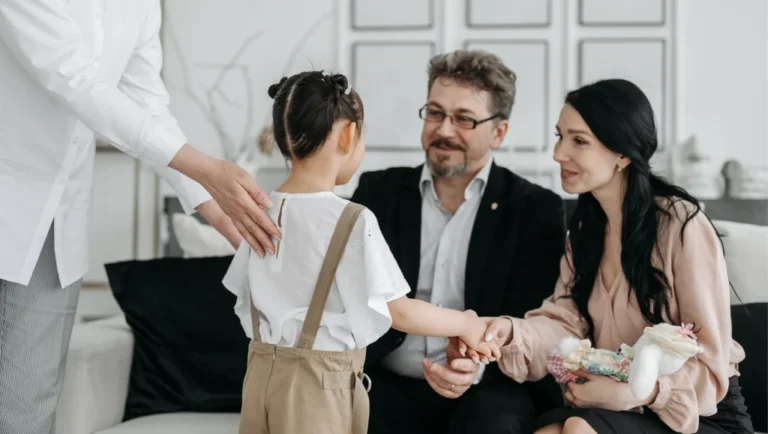
Get a Head Start: Teach Three Core Skills Before Guests Arrive
If you can only focus on a handful of things before family and friends show up, let it be these three.
- How to Greet Someone
Keep it simple and pressure-free:
- Make eye contact if they feel comfortable doing so
- Smile if it feels natural
- Say something brief: “Hi, Uncle.” or “Hello.”
Montessori tip: A quick 30-second role play each day is enough. This isn’t a performance rehearsal — it’s just building familiarity.
-
2.How to Take on a “Guest Helper” Role
Give your child one specific task they can own during the gathering:
Setting out napkins- Showing visitors where to leave their shoes
- Carrying a small tray (with a grown-up nearby)
- Tidying up a corner after everyone has left.
When children have a purposeful role, they feel settled rather than sidelined.
-
. How to Leave a Conversation Respectfully
Holidays are long, and children need an honest way to step back without it turning into a scene. Teach them one simple phrase:
- “Excuse me, I’m going to play.”
- “I need to use the bathroom.”
- “I just need a little break.”
Giving children a script prevents the meltdowns that happen when they have no words for what they need.
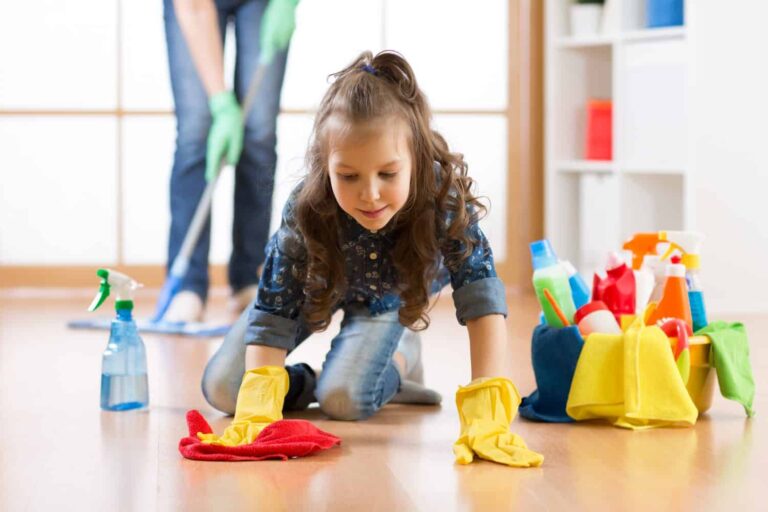
2. Teaching Greetings, Helpfulness, and Gratitude the Montessori Way
Let Greetings Be Low-Pressure
Some children are naturally reserved or take time to warm up to people. This is completely normal, and Montessori deeply respects individual temperament.
What you can do:
- Stand beside your child when guests arrive
- Greet the visitor yourself, calmly and warmly
- Offer your child a gentle, low-stakes option: “You can say hello, or you can wave — whichever feels okay.”
What to avoid:
- Demanding an immediate greeting in front of others
- Labeling shyness as rudeness
- Bribing or threatening compliance
A child who feels safe will greet others genuinely. Pressure only creates resistance.
Channel Energy Into Contribution
When children start acting out or seeking attention around guests, it’s often a sign they feel forgotten or pushed to the edges. Giving them a meaningful job solves this beautifully.
Try: “I need your help — could you bring these napkins to the table?” or “Can you show Grandma where we keep the cups?”
Contribution transforms restless energy into pride.

Encourage Gratitude Without Forcing It
We all want our children to express thanks — but barking “Say thank you!” often turns into a standoff.
A gentler approach:
- Model it yourself: “Thank you so much for coming.”
- Offer a choice: “Would you like to say thank you now or when they leave?”
- Build a closing ritual: at the door, prompt softly — “Say goodbye to Auntie.”
Gratitude expressed freely lands far more sincerely than gratitude that is demanded.
3. Making Hosting a Real Montessori Practical Life Experience
The holidays are essentially one giant Practical Life lesson — real serving, real care, real awareness of others. Take advantage of it.
Serving: A Simple Tray Routine
Choose something your child can carry safely and teach a small sequence:
- Hold it with both hands
- Walk at a steady pace
- Offer with one sentence: “Would you like one?”
- Return the tray to its spot when done
Even carrying a basket of crackers becomes a lesson in focus, coordination, and care.

Offering: The Art of Being a Little Host
Children can learn to make others feel welcome in very simple, age-appropriate ways:
- “Would you like to sit here?”
- “Do you want to see my drawing?”
These aren’t scripted performances — they’re natural moments of connection you can gently encourage.
Closing with Care of the Environment
After guests have gone, invite your child to help reset the space:
- Wipe down the table
- Gather cups or plates
- Fold any cloths that were used
- Return small decorations to their basket
This post-gathering reset is calming for children — it provides closure after the stimulation and reconnects them to the idea of caring for their home.
Setting Boundaries with Relatives: Scripts That Protect Everyone
This is often the trickiest part of holiday gatherings, especially when family dynamics are involved. Montessori supports respect for elders and respect for the child — these two things are not in conflict.
Give Your Child Words Before the Event
Children often freeze in the moment if they don’t have language ready. Prepare them ahead of time:
- “No thank you.”
- “Not right now.”
- “I need some space.”
- “I’m going to stay with Mum/Dad.”
- “I don’t want to talk about that.” (for older children)
How Parents Can Back Their Child Calmly
Your steadiness in these moments matters enormously. Some phrases that help:
- “We’re working on letting her make her own choices.”
- “He takes a little time to warm up — he’ll join when he’s ready.”
- “Thanks for understanding.”
If a relative pushes further:
- “We don’t force that.”
- “Please respect his ‘no.'”
No lengthy explanation necessary. Short and calm is enough
5. Body Autonomy and Physical Affection: A Holiday Plan
This deserves its own section because it comes up every single year in almost every family.
Children Choose Their Own Physical Contact
We can raise warm, affectionate children without teaching them to tolerate unwanted touch. These two things can absolutely coexist.
Offer your child alternatives that still feel friendly:
- A wave
- A high-five or fist bump
- A handshake
- Blowing a kiss from across the room
- A smile and a nod
Teach them a clear, kind phrase: “No thank you, I don’t want a hug — high five instead?”
What to Say to Relatives
Before the gathering, you can set expectations gently: “We’re teaching body boundaries at the moment, so please let her decide about hugs.”
In the moment: “He’s happy to wave. He doesn’t need to hug.” Simple. Respectful. Done.
Phrases to Retire This Season
These might feel harmless, but they send the wrong message:
- “Give a hug to be polite.”
- “Don’t embarrass me.”
- “That’s rude — go hug them.”
These teach children that managing another person’s feelings takes priority over their own bodily comfort. That is not a lesson we want them to carry forward.
A Simple Daily Practice Plan (Just 5 Minutes)
Day 1: Greeting practice — handshake, wave, or a simple “hello”
Day 2: Practicing polite exits — “Excuse me, I’m going to…”
Day 3: Tray-carrying with napkins or empty cups
Day 4: Boundary phrases — “No thank you” / “Not right now” Day 5: Choosing touch — wave, high-five, or handshake practice
Repeat the cycle lightly. Keep it playful, never pressured

Final Thought: Prepared Children Aren't "Just Well-Behaved" — They're Ready
Holiday gatherings don’t have to be a series of corrections and whispered reminders. When we take a Montessori approach to Grace & Courtesy, we give children real language, real roles, and real skills long before the guests arrive.
What we protect in the process is what matters most: the child’s sense of dignity, their growing independence, and their right to feel safe in their own body.
The holidays can be genuinely joyful for children — not because we managed their behavior, but because we prepared them to navigate the world with confidence and kindness.