Process Art vs Product Art:Which One Actually Helps Your Child?
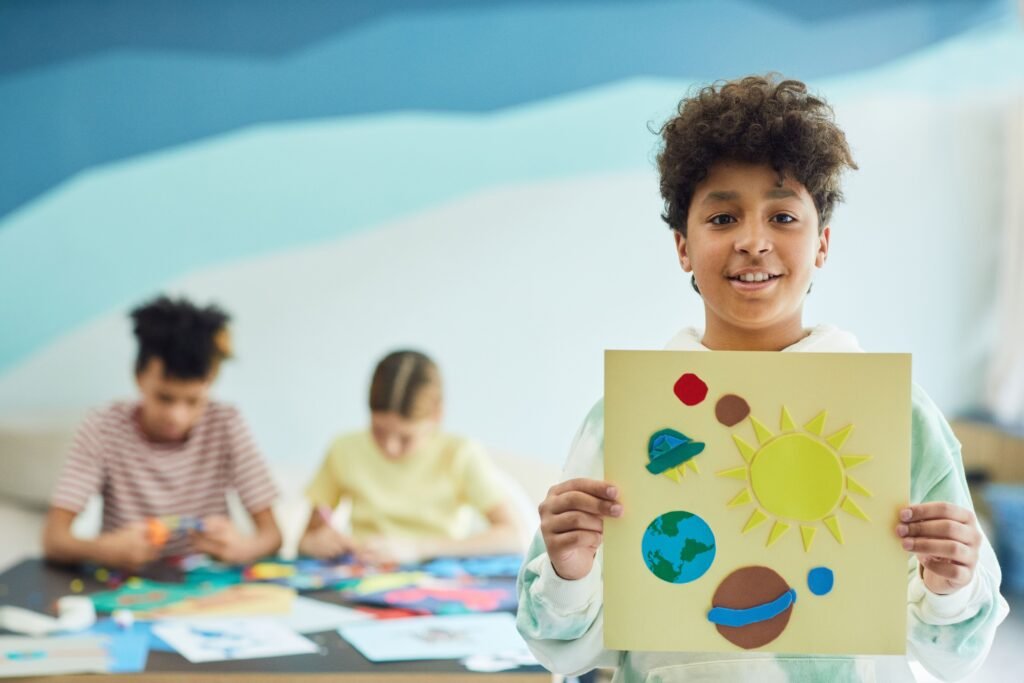
“A Montessori perspective on creative development — and why the mess matters more than the masterpiece“ Picture two scenes. In the first one, a four-year-old sits at a table covered in newspaper. In front of her are three pots of paint, a large sheet of white paper, and no instructions whatsoever. She starts by dipping her brush in the blue. Then she uses her finger and discovers that mixing blue and yellow makes something interesting happen. She spends twenty-five minutes doing this, completely absorbed, occasionally humming. The painting she produces looks, to an adult eye, like an energetic mess. To her, it is exactly what she wanted. In the second scene, a four-year-old sits at a table with a printed outline of a butterfly. He has been told which sections to colour in which colour. He works carefully within the lines. When he finishes, the butterfly looks like the example the teacher held up. His parent puts it on the fridge. Both children made art today. But only one of them actually did. That is the difference between process art and product art. And understanding it — really understanding it, not just as a theory but as a lived choice you make every time you sit your child down with a paintbrush — changes how you think about creativity, learning, and what art is actually for. So What Exactly Is the Difference? Process art Process art is child-led, open-ended creative experience where the activity itself is the point. There is no template to follow, no correct outcome, no example to replicate. The child decides what to make, how to make it, when it is finished, and what it means. An adult’s role is to provide materials, space, and enough trust to step back and let the exploration happen. It looks messy or may be often looks like nothing in particular. You cannot always tell what it is supposed to be — and that is completely fine, because it is not supposed to be anything. It is supposed to be whatever the child’s hands and mind made of the materials they were given. Product art Product art is adult-led, outcome-focused creative activity where the goal is a specific, predetermined result. The child follows a template, copies a model, colours within provided lines, or assembles pre-cut pieces. An adult has decided in advance what the finished piece should look like and child’s job is to execute the plan. It often looks impressive. Parents can immediately tell what it is. It photographs well and fills the fridge for a few weeks. And it teaches the child almost nothing about creativity, expression, or their own capacity for original thought. A child who has only ever done product art learns that art is something other people design and they execute. A child who has done process art learns that art is something they invent. These are not the same lesson. Why Process Art Matters — What It Actually Builds This is not just a philosophical preference. Process art builds specific, measurable capacities in young children that product art simply does not — and some that product art actively undermines. Here is what the research and the developmental science say: Creative thinking and problem-solving When a child has no template to follow, they have to make decisions. What colour? How much? What next? If I mix these what will happen? These micro-decisions, made hundreds of times across a creative session, are exactly the cognitive work of creative thinking. The child is generating options, evaluating them, choosing, executing, and adapting. This is problem-solving — the same cognitive process that will serve them in mathematics, science, writing, and every domain of human endeavour. Product art offers none of this. When the template has already decided what color the sky should be, the child’s creative brain is not needed. Intrinsic motivation and the love of making things Children who do process art regularly develop an intrinsic relationship with the act of making — they create because creating is satisfying, not because the result will earn praise. This is one of the most valuable things a child can develop: the ability to be motivated from within, to pursue something because it genuinely matters to them, regardless of how it looks to anyone else. Product art, by contrast, is almost entirely driven by external motivation — the approval of the finished result, look on the parent’s face, and the thing on the fridge. When that external validation is removed, the motivation evaporates. This is why children who have only done product art often say ‘I can’t draw’ and mean ‘I can’t draw in a way that looks right.’ The bar they are measuring themselves against is always someone else’s standard. Confidence and self-efficacy A child who decides what to make and then makes it has had an experience of being genuinely capable. They set the intention, executed the plan, and produced something that was entirely their own. This feeling — I made something that came from me — is one of the most powerful confidence-builders available to a young child. A child who colours inside someone else’s lines has had a different experience: they have done something correctly, which is not the same thing. Correctness is measured against an external standard. Capability is measured against their own intention. Concentration and sustained attention Children in genuine process art experiences concentrate for far longer than children doing product art. The reason is simple: they are genuinely engaged and are making real decisions, encountering real surprises, and doing real creative work. The attention is self-generated rather than externally maintained. This is the same principle behind the Montessori work cycle. Genuine engagement, freely chosen, generates the deepest and most sustained concentration available to a young child. Emotional expression and regulation Art is one of the oldest human tools for expressing what cannot be said in words. For young children who are still developing verbal communication, the ability to express emotion through colour, mark-making, and
What Is the Three-Period Lesson In Montessori
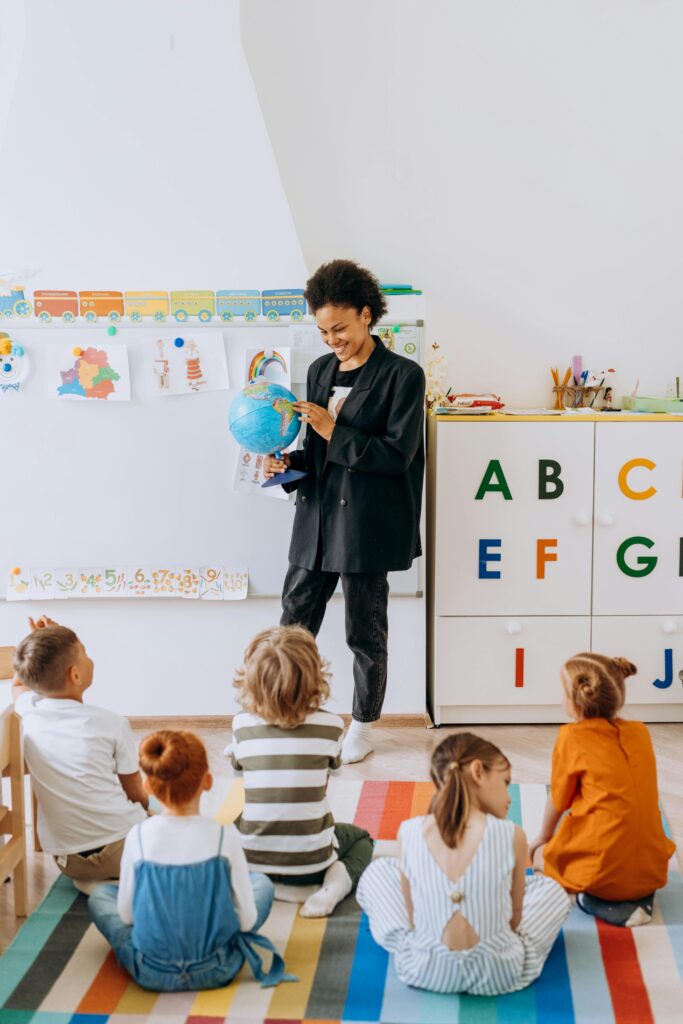
A Simple, Gentle Teaching Technique Every Parent Can Use Have you ever tried to teach your child something — a colour, a shape, a word — and felt like no matter how many times you said it, it just wasn’t sticking? And then you started to wonder: is it me? Is it them? Am I doing something wrong? First of all — you’re not doing anything wrong. Learning, especially for young children, simply doesn’t work the way most of us were taught to teach. It isn’t a one-way street where we say the thing, and they know the thing. Actually it’s a journey — a back-and-forth, a gentle loop that takes time, repetition, and the right kind of invitation. The Montessori Three-Period Lesson is one of the most beautiful tools ever designed for that journey. It’s a simple three-step teaching method that respects how children actually learn — without pressure, without testing, without anxiety. And the wonderful thing is that once you understand it, you will start seeing it everywhere. Not just in the classroom, but at the dinner table, in the garden, at bedtime. Let’s break it down — simply, clearly, and with plenty of real-life examples you’ll immediately recognise. Where Did the Three-Period Lesson Come From? The Three-Period Lesson was not invented by Dr. Maria Montessori — she adapted it from a French physician and educator named Edouard Seguin, who developed it in the 1800s while working with children who had been written off by the educational system of his time. Dr. Montessori saw in Seguin’s method something powerful and universal. She refined it, brought it into her classroom, and made it the backbone of how Montessori teachers introduce new concepts to children. Over a century later, it remains one of the most effective and humane teaching techniques in early childhood education. The idea is simple: before you can expect a child to recall something independently, they need to first hear it, then recognise it, and only then produce it. These three stages mirror exactly how the brain builds and consolidates new memories — and when we skip steps or rush ahead, that’s usually when children (and adults!) get confused, frustrated, or shut down. The Three Periods — Explained Simply Think of the Three-Period Lesson like planting a seed, watering it, and then watching it bloom. You can’t rush any stage. But when you give each one its proper time, something wonderful grows. Period 1: “This Is…” — Introducing This is the introduction stage. You name something clearly and simply while the child experiences it directly — through their hands, eyes, or ears. The child is not expected to say or do anything except absorb. There is no right or wrong here. No pressure at all. You are simply planting a seed. What you say: “This is rough. This is smooth.” — “This is red. This is blue.” — “This is the circle.” Period 2: “Show Me…” — Recognising Now you invite the child to show you what they remember — but without making them speak. You ask them to point, fetch, touch, or place. Because you are not asking them to produce a word yet, the pressure is lifted. Most children love this stage. It feels like a game, not a test. And importantly, if they get it wrong, there is no failure — you simply go back to Period 1 naturally and gently. What you say: “Can you show me the rough one?” — “Where is the blue one?” — “Can you put the circle in my hand?” Period 3: “What Is This?” — Recalling Only now — when you sense the child is confident and ready — do you ask them to produce the word themselves. This is the recall stage. It might come quickly, or it might need days, weeks, or more time in Period 2 first. And that is perfectly fine. The child is never wrong for needing more time. You simply return to an earlier period without any fuss. What you say: “What is this?” — “What colour is this one?” — “What shape is this?” 💛 The Most Important Thing to Remember: If a child gets Period 3 wrong, do NOT correct them. Simply smile, return the object, and say ‘Let’s look at this one again.’ Then go back to Period 1. There is no failure in the Three-Period Lesson — only more time needed. Everyday Examples You’ll Immediately Recognise The magic of the Three-Period Lesson is that once you understand it, you realise you can use it anywhere — not just with Montessori materials, but in real life, every single day. Here are a few examples that will feel very familiar: 🍎 Teaching Fruit Names at the Kitchen Table Period 1: Introduce Hold up an apple and say: ‘This is an apple.’ Then hold up a banana: ‘This is a banana.’ Let your child touch them, smell them, hold them. Period 2: Recognise ‘Can you give me the apple?’ Your child picks it up and hands it to you. ‘Can you put the banana on the chair?’ They do it — no words needed yet. Period 3: Recall Hold up the apple: ‘What is this?’ Your child says ‘apple!’ (or maybe ‘app-ul’ — and that counts completely). 🎨 Learning Colours with Crayons Period 1: Introduce Pick up a red crayon: ‘This is red.’ Pick up the blue one: ‘This is blue.’ Let your child hold each one while you say the name. Period 2: Recognise ‘Can you find the red one?’ or ‘Give me the blue one.’ Your child searches and picks — no pressure to say the word. Period 3: Recall Point to the red crayon: ‘What colour is this?’ Now they tell you. If they’re unsure, no big deal — back to Period 2 for another round. 🌿 Exploring Nature on a Walk Period 1: Introduce Pick up a leaf and a stone: ‘This is a leaf. This is
Why the Right School Bag Matters for Your Child’s Health and Learning

Every morning, millions of children across the world sling a bag over their shoulders and head to school. It seems like a small, everyday thing — but the school bag your child carries can have a surprisingly big impact on their posture, comfort, focus, and even their love of learning. At Kiran Saif Montessori, we believe that every detail of a child’s environment matters. That includes what they carry on their back. The Hidden Importance of a Good School Bag Most parents focus on what goes inside the bag — the books, the lunch box, the stationery. But the bag itself deserves just as much attention. A poorly designed school bag can lead to back pain, shoulder strain, and poor posture in children as young as 4 years old. According to pediatric health experts, a child’s school bag should never weigh more than 10–15% of their body weight. A good bag, on the other hand, supports the spine, distributes weight evenly, and keeps a child comfortable throughout the school day. 5 Reasons the Right School Bag Is Important for Kids Protects Posture and Spine Health Children’s spines are still developing. Carrying a heavy or poorly fitting bag forces them to lean forward or hunch their shoulders, which can lead to chronic back problems over time. A bag with padded, adjustable shoulder straps and a structured back panel keeps the spine in a natural, healthy position. Reduces Fatigue When a bag fits well and distributes weight properly, children expend less energy just carrying it. This means they arrive at school — and come home — less tired. Less fatigue means better attention, better mood, and better learning. Keeps Learning Materials Organized A well-designed bag with multiple compartments helps children learn organization from a young age — a foundational Montessori skill. When everything has its place, children feel more confident and in control of their school day. Builds Independence A bag that a child can open, close, pack, and carry on their own empowers them. Lightweight bags with easy-access zips and ergonomic designs are especially important for toddlers and kindergarteners who are just developing their fine motor skills Expresses Personality and Boosts Confidence Children feel proud when they love what they carry. A fun, colorful bag — whether it’s dinosaur-themed, floral, or bold and sporty — gives kids a small sense of identity and ownership. That matters more than we think. What to Look for When Buying a School Bag for Kids When shopping for your child’s next school bag, keep these key features in mind: Ergonomic design with padded back and straps Lightweight materials — the empty bag itself should be as light as possible Right size for your child’s age and body frame Durable, easy-to-clean fabric Multiple compartments for organization Reflective strips for safety, especially for early morning commutes Breathable back panel to prevent sweating Our Top Picks for Kids’ School Bags We’ve handpicked a selection of school bags that tick all the right boxes — ergonomic, durable, fun, and loved by kids and parents alike. Whether you’re shopping for a toddler heading to nursery or a primary schooler, you’ll find something perfect in our Schools Bags collection. Each product is available on Amazon for fast, reliable delivery — just click “Buy at Amazon” on any product to grab yours today. Final Thoughts The school bag is more than just a container for books. It’s a daily companion that affects your child’s physical health, organizational habits, and self-confidence. Investing in the right bag early is one of the simplest ways to support your child’s wellbeing and development. Explore our curated collection of kids’ school bags and give your child the comfort they deserve every school day. 🎒 Looking for more tips on Montessori-inspired learning tools and resources? Browse our blog for expert advice on raising confident, independent learners.
Top 10 Montessori Materials Every Home Classroom Needs in 2026
Affiliate Disclosure: {As an Amazon Associate, I earn from qualifying purchases at no additional cost to you} The Struggle Is Real — And You’re Not Alone You open Amazon, type ‘Montessori toys,’ and suddenly you’re drowning in brightly coloured plastic sets with the word ‘Montessori’ plastered across the box like a magic badge. Some are $8.99. Some are $89.99. And almost none of them actually follow the Montessori method. As a certified Montessori educator with years of experience in the classroom and in supporting families at home, I see this confusion every single week. Parents who want to do right by their children, who’ve read about Montessori and felt inspired — but who have no idea which materials are the real deal and which are clever marketing dressed up in wooden packaging. So I created this guide for you. I’ve vetted, tested, and used every category of material on this list. These are the top 10 authentic, durable, and purposeful Montessori materials available on Amazon right now — the ones that actually follow the philosophy, build the skills, and stand the test of time. ⚡ Quick Picks — Top 3 if You’re Skimming: Pink Tower (Sensorial) — the single most iconic Montessori material; mathematical preparation disguised as beautiful play Sandpaper Letters (Language) — the gateway to reading and writing; multi-sensory, non-negotiable Knobbed Cylinders (Fine Motor + Sensorial) — builds the writing grip years before a pencil is introduced 🔗 Internal Link: Browse our full Montessori Learning Toys collection at kiransaifmontessori.com for more curated recommendations The Pink Tower (Sensorial Development) → Check the current price of our favourite Wooden Pink Tower on Amazon Why It’s Essential The Pink Tower is the most recognised Montessori material in the world — and for good reason. It consists of ten pink wooden cubes, ranging from 1 cm³ to 10 cm³, each differing by exactly one cubic centimetre. The child’s task is to build a tower from largest to smallest — and then knock it down and start again. But here’s what most parents don’t know: the Pink Tower is not just a stacking toy. It is a precise mathematical preparation. The cubes increase in a fixed ratio, introducing the child’s hands and eyes to the concept of the cube of a number — 1³, 2³, 3³ — years before they will ever write that notation. This is the Montessori method at its finest: abstract mathematics taught through the body. ✏️ Expert Tip: The Pink Tower is used in combination with the Brown Stair (Item 4 below). When used together, they prepare the child for three-dimensional spatial reasoning and early geometry. What to Look For on Amazon Solid, untreated or non-toxic painted wood — no MDF or hollow centres Cubes that are precisely sized — even a 1–2mm error disrupts the learning Weight: the smallest cube should feel noticeably lighter than the largest No plastic components #2 — Object Permanence Box (Infant / Toddler) Why It’s Essential The Object Permanence Box is one of the earliest Montessori materials — typically introduced between 6 and 12 months of age. It teaches one of the most profound early cognitive lessons: that objects continue to exist even when they are out of sight. Jean Piaget identified object permanence as a milestone cognitive achievement of infancy. The Montessori Object Permanence Box creates a purposeful, repeated activity around this concept: the child drops a ball through a hole, watches it disappear, and then sees it reappear through a drawer. Each repetition deepens the neural pathway and satisfies the infant’s drive to understand cause and effect. 🌿 Affiliate Angle: When shopping on Amazon, always filter for ‘Natural Wood’ and ‘Non-Toxic Finish.’ Infants mouth everything — the materials they work with must be absolutely safe. Look for products with CE certification or ASTM compliance listed in the product description. Choose solid wood over MDF or plywood — it lasts longer and feels better The ball should be wooden, not rubber or plastic The drawer mechanism should slide smoothly — frustration-free for small hands No paint on the ball — natural finish only for infants 🛒 Shop Now: → Find Non-Toxic Wooden Object Permanence Boxes on Amazon 🛒 Shop Now: → Find Non-Toxic Wooden Object Permanence Boxes on Amazon #3 — Child-Sized Practical Life Cleaning Set Why Functional Work Is the Heart of Montessori Many parents are surprised to learn that one of the most important areas of the Montessori classroom is Practical Life — not maths, not language, but the everyday work of caring for oneself and one’s environment. Sweeping, mopping, wiping tables, washing dishes, folding cloth — these are not chores imposed on children. They are deeply purposeful activities that build concentration, coordination, independence, and a profound sense of belonging. A child-sized wooden broom and mop set is one of the best Amazon finds for Montessori parents. When a child has their own real tools — proportioned for their body, made of natural materials, genuinely functional — they engage with the work seriously and with enormous pride. Plastic imitations miss the point entirely. 💡 Montessori Principle: Children want to participate in real life, not pretend life. A toy broom teaches nothing. A real child-sized broom teaches responsibility, motor coordination, and the joy of contributing to the family. Look for natural wood handles — no plastic Broom bristles should be natural fibre or soft synthetic — functional, not decorative Set should include at minimum: broom, dustpan, and mop or floor cloth Height should be proportionate — when standing, the handle reaches the child’s shoulde 🛒 Shop Now: → Check Price Of High-Quality Wooden Child-Sized Cleaning Sets on Amazon Items 4–7: The Learning Core These four materials form the backbone of the Montessori sensorial and language curriculum. If you’re building a home Montessori environment, these are non-negotiable — and together, they cover fine motor, visual discrimination, geometry, language preparation, and early literacy. #4 — Brown Stairs (Broad Stair) The Brown Stair consists of ten brown wooden prisms,
Montessori Preschool Workbook
Build Early Learning, Writing & Thinking Skills at Home 🌟 Looking for a Complete Learning Book for Your Child? If you want a structured yet fun way to introduce learning, this Montessori Preschool Workbook is a great starting point. It combines multiple activities to help children learn writing, tracing, numbers, and problem-solving in one place. Check Price on Amazon What is this Workbook? This is an all-in-one preschool activity book designed for early learners. It includes: Letter tracing Number practice Shapes and patterns Problem-solving activities Who is it for? Children aged 3–5 years Preschool & kindergarten learners Parents starting early education at home. “Pre-school XXL – Montessori Method” of Montessori Lab offers more than 200 educational and entertaining activities for your kids from 3 to 6. With this book, your children will learn to trace, count, cut out and more, developing fundamental skills such as perception of size and distances, understanding of time, seasons and places. The book, of over 150 pages, is designed to allow your children to discover and learn new skills on their own, with you as guides where needed, following the principles of the Montessori method. Key Benefits ✔ Improves Writing Skills Helps children practice letter formation and pencil control. ✔ Builds Early Math Understanding Introduces numbers, counting, and patterns. ✔ Encourages Independent Learning Children can complete activities on their own. ✔ Boosts Cognitive Development Enhances memory, logic, and problem-solving. Here are just a few of the many activities, concepts and skills your child will learn if you purchase: ✅ Let’s discover the world by learning! Seasons, routines, transportation, animals and more! ✅ Coloring to learn shapes and figures together ✅ Approaching numbers and letters by tracing mazes, paths and more – Holding a pencil and writing independently and engagingly ✅ Letters and words: playing you learn! ✅ Develops creativity and the artistic side: Origami to cut out ✅ And much, much more! Why It Works Montessori-style workbooks focus on: Step-by-step learning Repetition for mastery Simple and clear activities How to Use Start with 1–2 pages daily Sit with your child initially Let them try independently Praise effort, not perfection Before You Buy Age-appropriate content Clear and simple design Durable pages Pros & Cons Pros All-in-one learning Easy to follow Great for home learning Cons Not reusable Needs supervision initially. Check latest price on Amazon Final Verdict A great choice for parents who want a structured learning tool without overwhelming their child. BONUS: 100 Montessori Flashcards to print, an excellent resource for learning to recognize early words and match them with pictures, developing logic and reading learning.
Social Skills:Montessori Grace & Courtesy for Holiday Guests

How to Prepare Your Child Before the Celebrations Begin The holiday season brings something children rarely experience on a regular day — a house full of people, unfamiliar routines, louder conversations, and much greater social expectations. For many children, this can feel exciting and overwhelming at the same time. That’s exactly why this time of year is a golden opportunity to practice Grace & Courtesy — one of the most meaningful and life-applicable areas within Montessori education. Grace & Courtesy is not about drilling children on etiquette or expecting them to behave like miniature adults. In the Montessori philosophy, it’s about equipping children with genuine social tools that respect both themselves and the people around them — things like how to greet someone warmly, how to offer help, how to step away from a situation politely, how to say no, and how to navigate conflict with dignity. The Montessori approach to teaching these skills relies on three pillars: modeling, gentle practice, and real-life application. Here’s a practical holiday guide you can use whether you’re a parent at home or a teacher in the classroom. Get a Head Start: Teach Three Core Skills Before Guests Arrive If you can only focus on a handful of things before family and friends show up, let it be these three. How to Greet Someone Keep it simple and pressure-free: Make eye contact if they feel comfortable doing so Smile if it feels natural Say something brief: “Hi, Uncle.” or “Hello.” Montessori tip: A quick 30-second role play each day is enough. This isn’t a performance rehearsal — it’s just building familiarity. 2.How to Take on a “Guest Helper” Role Give your child one specific task they can own during the gathering: Setting out napkins Showing visitors where to leave their shoes Carrying a small tray (with a grown-up nearby) Tidying up a corner after everyone has left. When children have a purposeful role, they feel settled rather than sidelined. . How to Leave a Conversation Respectfully Holidays are long, and children need an honest way to step back without it turning into a scene. Teach them one simple phrase: “Excuse me, I’m going to play.” “I need to use the bathroom.” “I just need a little break.” Giving children a script prevents the meltdowns that happen when they have no words for what they need. 2. Teaching Greetings, Helpfulness, and Gratitude the Montessori Way Let Greetings Be Low-Pressure Some children are naturally reserved or take time to warm up to people. This is completely normal, and Montessori deeply respects individual temperament. What you can do: Stand beside your child when guests arrive Greet the visitor yourself, calmly and warmly Offer your child a gentle, low-stakes option: “You can say hello, or you can wave — whichever feels okay.” What to avoid: Demanding an immediate greeting in front of others Labeling shyness as rudeness Bribing or threatening compliance A child who feels safe will greet others genuinely. Pressure only creates resistance. Channel Energy Into Contribution When children start acting out or seeking attention around guests, it’s often a sign they feel forgotten or pushed to the edges. Giving them a meaningful job solves this beautifully. Try: “I need your help — could you bring these napkins to the table?” or “Can you show Grandma where we keep the cups?” Contribution transforms restless energy into pride. Encourage Gratitude Without Forcing It We all want our children to express thanks — but barking “Say thank you!” often turns into a standoff. A gentler approach: Model it yourself: “Thank you so much for coming.” Offer a choice: “Would you like to say thank you now or when they leave?” Build a closing ritual: at the door, prompt softly — “Say goodbye to Auntie.” Gratitude expressed freely lands far more sincerely than gratitude that is demanded. 3. Making Hosting a Real Montessori Practical Life Experience The holidays are essentially one giant Practical Life lesson — real serving, real care, real awareness of others. Take advantage of it. Serving: A Simple Tray Routine Choose something your child can carry safely and teach a small sequence: Hold it with both hands Walk at a steady pace Offer with one sentence: “Would you like one?” Return the tray to its spot when done Even carrying a basket of crackers becomes a lesson in focus, coordination, and care. Offering: The Art of Being a Little Host Children can learn to make others feel welcome in very simple, age-appropriate ways: “Would you like to sit here?” “Do you want to see my drawing?” These aren’t scripted performances — they’re natural moments of connection you can gently encourage. Closing with Care of the Environment After guests have gone, invite your child to help reset the space: Wipe down the table Gather cups or plates Fold any cloths that were used Return small decorations to their basket This post-gathering reset is calming for children — it provides closure after the stimulation and reconnects them to the idea of caring for their home. Setting Boundaries with Relatives: Scripts That Protect Everyone This is often the trickiest part of holiday gatherings, especially when family dynamics are involved. Montessori supports respect for elders and respect for the child — these two things are not in conflict. Give Your Child Words Before the Event Children often freeze in the moment if they don’t have language ready. Prepare them ahead of time: “No thank you.” “Not right now.” “I need some space.” “I’m going to stay with Mum/Dad.” “I don’t want to talk about that.” (for older children) How Parents Can Back Their Child Calmly Your steadiness in these moments matters enormously. Some phrases that help: “We’re working on letting her make her own choices.” “He takes a little time to warm up — he’ll join when he’s ready.” “Thanks for understanding.” If a relative pushes further: “We don’t force that.” “Please respect his ‘no.’” No lengthy explanation necessary. Short and calm is enough 5. Body Autonomy
AMI Montessori Education: A Complete Guide for Parents
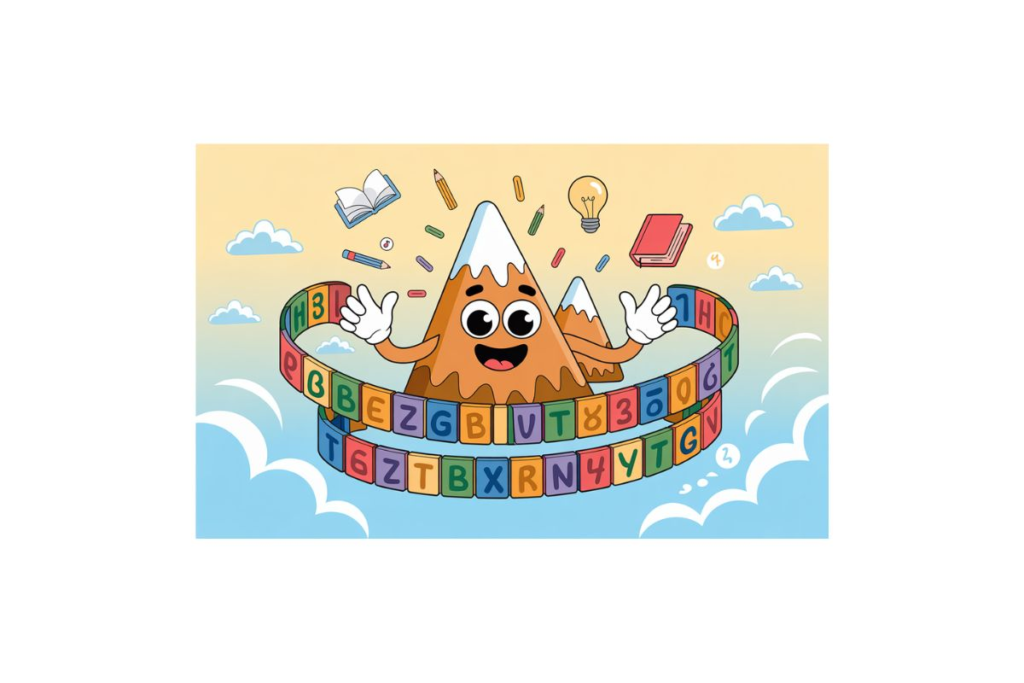
AMI Montessori Education: A Complete Guide for Parents Ks Montessori – Building Strong Foundations for Lifelong Learning Choosing the right educational environment for your child is one of the most important decisions a parent can make. Early childhood education not only shapes academic skills but also influences confidence, independence, emotional intelligence, and social behavior. At Ks Montessori, we follow the AMI Montessori approach, a globally respected method of education designed to support a child’s natural development. This guide will help parents understand AMI Montessori education, its benefits, and why Ks Montessori is an ideal choice for families seeking quality, trust, and long-term success. Understanding AMI Montessori Education The Association Montessori International (AMI) was founded by Dr. Maria Montessori to preserve her original educational philosophy. AMI Montessori schools follow strict international standards to provide authentic Montessori education, not a modified or diluted version. Keywords naturally included in this section: AMI Montessori education AMI Montessori school Montessori early childhood education Montessori learning environment Montessori materials Montessori teaching method AMI Montessori education respects each child as an individual, allowing learning to happen naturally through exploration, movement, and hands-on experience. The Philosophy Behind AMI Montessori AMI Montessori believes children are naturally curious and capable learners. Instead of traditional teacher-led instruction, children are guided to learn independently in a carefully prepared environment. Core Principles: Freedom within limits Self-directed learning Hands-on Montessori materials Mixed-age classrooms Respect for each child’s pace and interests At Ks Montessori, these principles are practiced daily in every classroom. Why Early Childhood Education Matters The first six years of a child’s life are crucial for brain development. During this period, children absorb information effortlessly from their surroundings. AMI Montessori education takes advantage of this sensitive period by creating an environment that encourages curiosity, independence, and responsibility. Benefits of Montessori classrooms: Learn through real-life activities Develop concentration and focus Build confidence through achievement Enjoy learning instead of fearing mistakes Benefits of AMI Montessori Education Independence and Self-Confidence Practical life activities such as pouring, dressing, cleaning, and organizing help children become independent. These small achievements boost confidence and self-esteem. Focus and Concentration AMI Montessori classrooms offer uninterrupted work periods, allowing children to fully engage with tasks and complete them at their own pace. Emotional and Social Development Mixed-age classrooms encourage cooperation, empathy, leadership, and mutual respect. Children naturally learn social skills by interacting with peers of different ages. Solid Academic Foundation AMI Montessori provides strong preparation in: Language and communication Mathematics Sensorial development Cultural studies Children understand concepts deeply because they learn through experience rather than memorization. Why Choose Ks Montessori? At Ks Montessori, we provide authentic AMI Montessori education in a safe, nurturing, and stimulating environment. AMI-Trained Educators Our teachers are professionally trained according to AMI standards. They observe, guide, and support children without pressure or comparison. Prepared Montessori Environment Each classroom is thoughtfully arranged with Montessori-approved materials that encourage independence and exploration. Individual Attention Every child is unique. Teachers carefully observe each child and adapt guidance according to individual needs. Learn more about Ks Montessori programs here Montessori Learning Materials AMI Montessori classrooms use scientifically designed materials that support hands-on learning. Children understand concepts through touch, movement, and repetition. Key Montessori materials with affiliate links: Practical Life Montessori Tools– pouring, spooning, dressing frames Language Montessori Materials– sandpaper letters, movable alphabet Mathematics Montessori Materials– number rods, golden beads Complete Montessori Kit– all-in-one Montessori learning set AMI Montessori vs Traditional Education Traditional education often expects all children to learn at the same pace. AMI Montessori respects each child’s development. In Montessori classrooms: Children choose their work Learning is self-paced Mistakes are part of growth Teachers act as guides, not lecturers This approach develops confident, curious learners who enjoy learning naturally.
An introduction to Dr. Maria Montessori
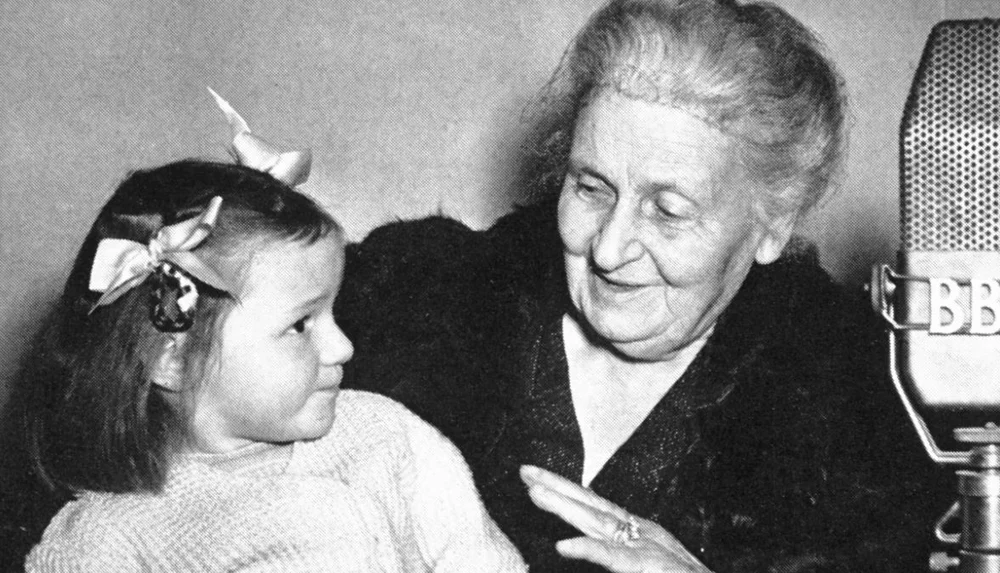
Dr. Maria Montessori: Who Introduced Early Childhood Education Early childhood is the most crucial time of human development.Not many people get that right, but Dr. Maria Montessori did better than anyone. She had a different vision of a child’s learning, growth and how they connect with everything around them. Her ideas are still changing early education all over the world by high quality early education programs that follow her philosophy, even the one at KSmontessori with its nurturing setup. It feels like her approach just sticks because it works so well for little kids. This blog looks into her life and what Dr.Maria Montessori theory is based on. Also, how she affected the world with her methods and why people trust it so much today in early education. Who Was Dr Maria Montessori? Dr Maria Montessori was an Italian physician, educator, and ideologist who forever changed the field of education. She was born back in 1870 and ended up being the first woman to become a doctor in Italy, breaking social barriers at a time when women had limited professional opportunities. When she started working with children she made some record breaking discoveries such as: Kids are just naturally curious and they can learn a lot if you keep them in the right place. Instead of pushing all these strict education systems on them, she believed in observing children scientifically and helping them grow in their own environment. That approach of hers basically started what we call Montessori education nowadays. It’s all focused on the child and the most trusted philosophy by parents and teachers worldwide. The Birth of the Montessori Method: The Montessori Method began in 1907 with the opening of the Casa dei Bambini (Children’s House) in Rome. Dr. Maria worked with children from lower backgrounds and closely observed how they interacted with specially designed learning materials. What she found was extraordinary. When given freedom within a structured environment, children: Developed focus and concentration. They learn on their own, without anyone pushing them. Showed self-discipline without punishment. Demonstrated a natural love for learning. These observations became the scientific basis of the Montessori Method, an educational approach built on respect for the child and hands-on learning. Core Principles of Montessori Education: The main pillar of Montessori education lies in its carefully designed principles, each aimed at nurturing the development of children. Respect for the Child The classrooms are set up in a unique way with materials accessible for different ages that every individual explores on their own with different interests and ways of learning. Child-Led Learning Students get an opportunity to pick what they want to do based on developmental needs, promoting intrinsic and motivation. The Prepared Environment Classrooms are thoughtfully designed with age-appropriate materials that encourage exploration and independence. Hands-On Learning The montessori material involves touching and seeing things, so abstract stuff becomes more real through hands-on play. Freedom with Responsibility Freedom comes with responsibility, like kids can choose but they learn to own their actions and build discipline. The Teacher as a Guide Teachers watch and guide instead of telling everyone what to do all the time. It feels a bit different from regular school. At KSmontessori, Dr maria montessori method is the heart of learning to ensure children’s academic, social and emotional development. Dr. Montessori’s View of the Child: Dr. Maria Montessori quotes that “children are not empty vessels waiting to be filled with information”. Instead, she viewed them as active participants in their own development. One of her most empowering theories was the concept of sensitive periods which explains specific times when children are especially receptive to learning certain skills such as language, movement, or order. When education aligns with these natural windows, learning becomes effortless and joyful. This Dr maria montessori philosophy of education empowers children to: Build confidence Develop independence Strengthen decision-making skills Cultivate lifelong curiosity The Global Impact of Dr. Maria Montessori: Today, Montessori education is practiced in over 140 countries, with thousands of schools serving millions of children. Dr. Montessori’s work influenced not only education but also psychology, neuroscience, and child development research. Her legacy includes: A scientifically grounded educational method International recognition as an educational reformer A timeless philosophy that adapts to modern learning needs From traditional classrooms to modern learning environments. Hence, Montessori education continues to shape confident and capable learning. Why Montessori Education Is More Relevant Than Ever? In this world that’s all about screens and rushing around all the time, Montessori seems like an alternative way to help kids build up those important skills they’ll need later on such as: Independent thinking Focus and concentration Problem-solving abilities Emotional intelligence Respect for others Parents seeking a balanced, holistic approach towards their kids’ education should start to look at places like KSmontessori more often. The learning there is focused on the child, making it purposeful and meaningful. Montessori Philosophy at KSmontessori: At KSmontessori, Dr. Maria Montessori’s vision comes alive every day. Our learning environment reflects her principles through: Carefully prepared classrooms Montessori-trained educators Hands-on, age-appropriate materials A strong focus on independence and confidence We believe education should inspire children, not pressure them. By honoring each child’s natural development, KSmontessori nurtures lifelong learners prepared for future success. Recommended Montessori Resource for Parents: For parents who want to increase their understanding of Montessori education at home, we recommend this highly trusted Montessori resource. Montessori Learning Materials & Books https://amzn.to/48RpxnG These carefully designed materials support hands-on learning, independence, and skill development perfect for extending Montessori principles beyond the classroom. Conclusion: Dr. Maria Montessori’s work was more than an educational method; it was a movement that respected childhood as a golden period of human development. Over a century later, her philosophy continues to shape confident, compassionate, and capable learners. At KSmontessori, we proudly carry forward her legacy by creating an environment where children thrive naturally. By choosing Montessori education, parents invest not just in academics but in their child’s lifelong success.