Why the Early Years of Your Child’s Life Are the Most Important
“Your child’s brain at age 3 is twice as active as an adult’s — it’s working around the clock, building the foundations of everything they will ever learn, feel, and become. What happens in these early years doesn’t just shape childhood — it shapes an entire life.”
As a parent, you are your child’s first and most important teacher. The choices you make in their early years — the environment you create, the language you use, the experiences you offer — have a ripple effect that extends decades into the future. This might sound overwhelming, but it is actually one of the most empowering truths about parenting.
In this post, we are going to walk you through the science and heart behind early childhood development — in plain, everyday language — and show you why these golden years truly matter more than any other period in your child’s life.
1. The Brain Builds Itself — and It Does It Fast
Imagine constructing a building. The foundation must be strong before you can build walls, add floors, or install the roof. Your child’s brain works the same way.
At birth, a baby’s brain has about 100 billion neurons — almost as many as an adult. But those neurons are not yet connected. The magic happens in the first few years of life when these neurons begin forming connections (called synapses) at a breathtaking speed.
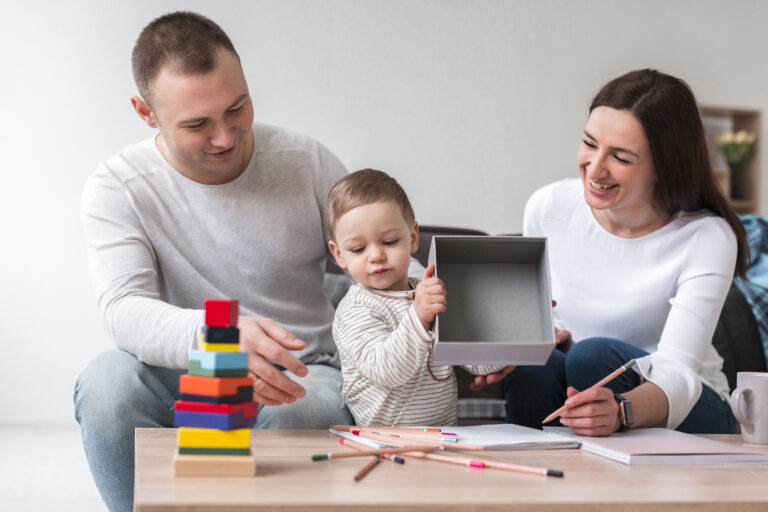
1 million new neural connections are formed every single second in a baby’s first 3 years
90% of a child’s brain development is complete by age 5
3x more active — a 3-year-old’s brain is three times more active than an adult brain
These connections are built through every single experience — a song you sing, a word you say, a hug you give, a puzzle you solve together. Every positive, nurturing experience literally shapes the physical structure of your child’s brain.
And here is the key: the brain never grows this fast again. After the early years, unused connections are pruned away — and the window to build certain foundations begins to narrow. This is not something to fear; it is something to embrace with action and intention.
2. What Exactly Is Developing in the Early Years?
Early childhood development is not just about learning to talk or walk. It covers several critical areas that work together to shape the whole child:
Cognitive Skills (Thinking and Problem Solving)
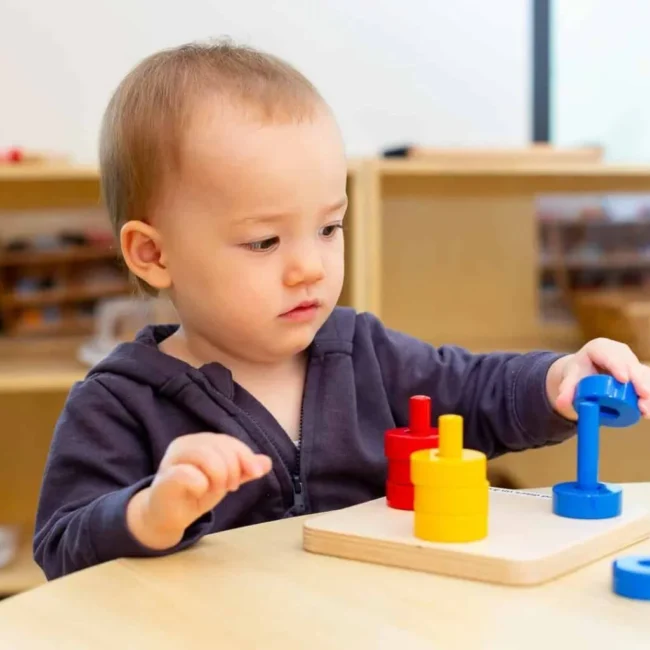
Children learn to think, reason, remember, and solve problems through exploration and play. When a toddler stacks blocks and watches them fall, they are not just playing — they are discovering gravity, cause and effect, and spatial reasoning.
- Provide open-ended toys: blocks, sand, water, art materials
- Ask questions instead of always giving answers: ‘What do you think will happen?’
- Let them make age-appropriate choices and experience natural consequences
Emotional and Social Development
A child who feels safe, loved, and understood develops a secure attachment — and this becomes the template for all future relationships. Children who develop strong emotional intelligence grow into adults who can manage stress, empathize with others, and build meaningful connections.
- Name emotions out loud: ‘You seem frustrated right now. That’s okay.’
- Teach calming strategies: deep breaths, hugging a toy, counting to five
- Model kindness, patience, and conflict resolution in your own behavior
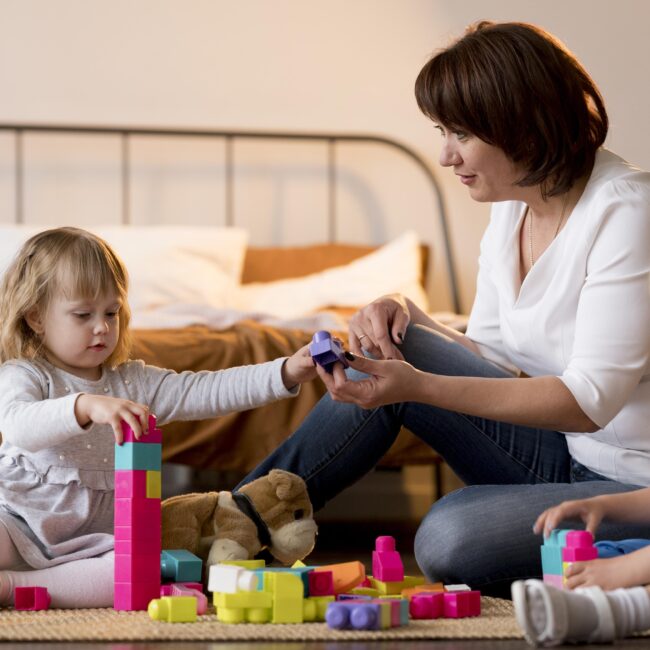
Language and Communication
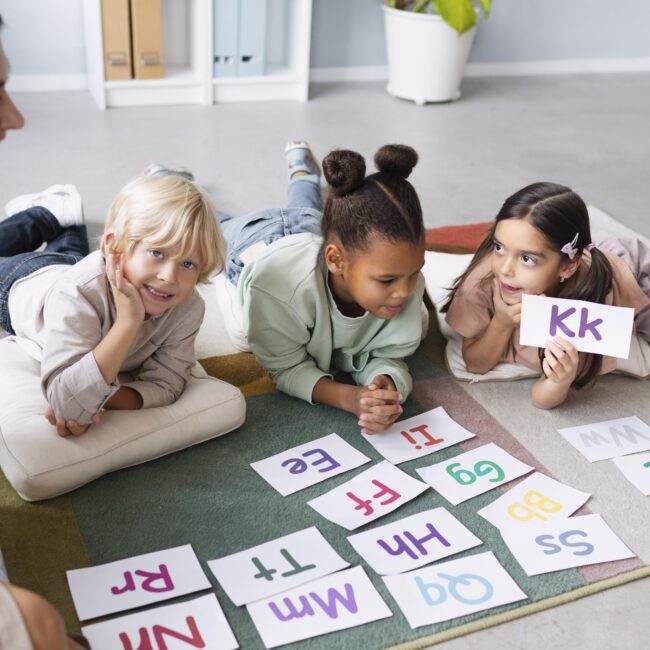
Children absorb language like sponges in the first three years. The more words they hear — through conversation, reading, and storytelling — the richer their vocabulary becomes. Strong language skills at age 5 are one of the biggest predictors of academic success at age 10.
- Talk to your child constantly — narrate your day, describe what you see
- Read aloud every single day, even from infancy
Respond to their babbles and attempts to communicate — this builds confidence.
Physical Development
Gross motor skills (running, jumping, climbing) and fine motor skills (holding a pencil, buttoning a shirt) both develop rapidly in the early years. Physical play is not a distraction from learning — it IS learning.
- Outdoor play every day for gross motor development
- Activities like drawing, playdough, and threading beads for fine motor skills
- Limit screen time — children need real-world, physical interaction with their environment

Choosing the Right Early Childhood Program
If you are considering an early childhood program for your child, here are the key qualities to look for — regardless of whether it is Montessori, Reggio Emilia, play-based, or another approach:
Warm, responsive teachers who get on the child’s level — literally and emotionally
- Low child-to-teacher ratios (ideally 8:1 or less for toddlers, 10:1 for preschoolers)
- A rich, language-filled environment with books, conversation, and storytelling
- Time for unstructured play alongside guided activities
- An outdoor space and regular physical activity
- A curriculum grounded in developmental science, not just test preparation
- Clear communication and partnership with parents. At KS Montessori, we have designed our program with every one of these principles at its core. Our classrooms are calm, purposeful, and child-centered environments where every child is seen, valued, and supported to reach their full potential — at their own beautiful pace. Written by : Daniyal Naveed